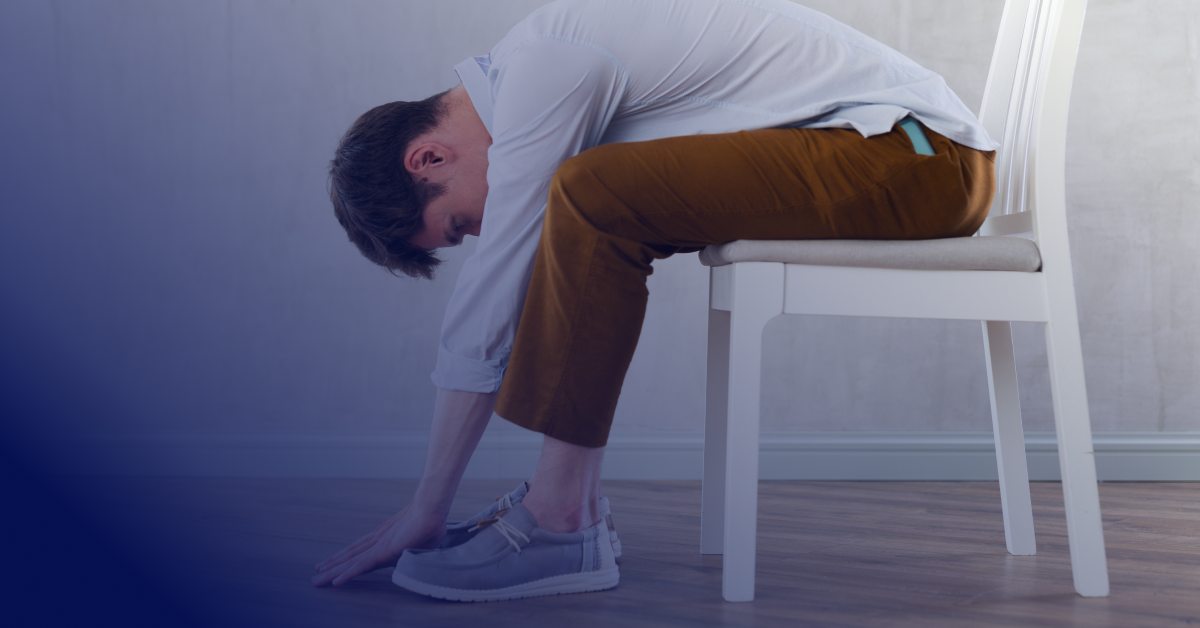
Training Smart but Still Getting Hurt? Here’s What’s Missing (National Physical Fitness and Sports Month)
Sports Medicine
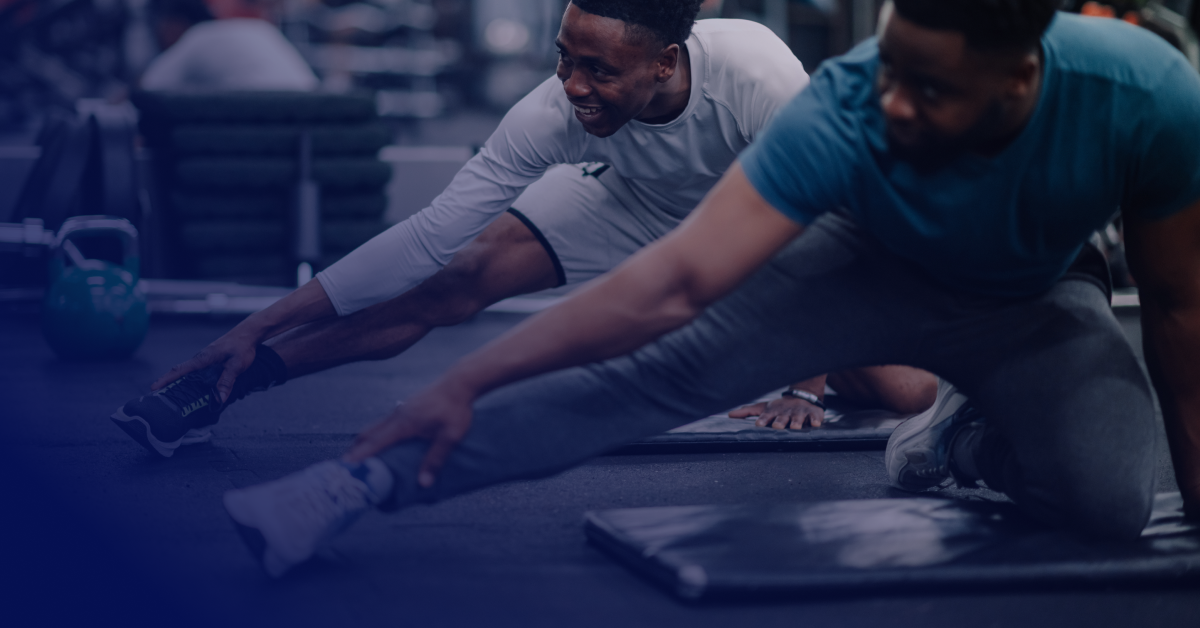
National Physical Fitness and Sports Month is a great time to evaluate if your workout routine is working for you.
Since 1983, presidents have declared May as National Physical Fitness and Sports Month to reinforce the importance of staying active at all ages. It aims to boost participation in sports and exercise programs. Being physically fit, experts contend, promotes better mental health, reduces stress, and lowers the risk of chronic diseases.
Yet athletes and dedicated workout enthusiasts sometimes experience injuries that can throw off their sports and fitness training. Injuries and sore muscles, however, are not signs to stop working out. Instead, it’s your chance to take a close look at your sports performance training and make adjustments for a healthier, stronger you.
Why National Physical Fitness and Sports Month Matters
The National Institutes of Health recommends adults perform 150 minutes of moderate intensity aerobic exercise a week as well as 75 minutes of more vigorous activity. In addition, the NIH suggests muscle strengthening workouts two or more days a week.
Unfortunately, many adults fall short of those goals. The Centers for Disease Control and Prevention reports 46.9 percent of adults age 18 or older met the guidelines for aerobic physical activity, while 24.2 percent reached the muscle strengthening target.
National Physical Fitness and Sports Month shines a light on the positive role regular exercise and healthy habits like better nutrition play in our lives. If you’re already physically active, use this month as an opportunity to reassess if you are getting optimal results from your current training approach. It may be time to make changes if you’re repeatedly getting hurt.
The Problem: Why You’re Still Getting Hurt
You’ve heard it many times before: Exercise boosts cardiovascular fitness, muscle strength, and mobility. But frequent aches and pains cancel those benefits. Consider what you may be doing wrong.
- Overtraining without taking time to properly recover
- Forcing certain muscles groups to overcompensate for weaker or less toned muscles
- Using poor technique when exercising or playing sports
- Failing to follow a workout program based on your individual body mechanics and sport
What are the 5 Physical Fitness Components?
Developing a comprehensive physical fitness plan isn’t easy. Much depends on your overall health as well as your sport or favored exercise routine. Yet these five elements are considered necessary for a well-rounded fitness plan.
- Cardiovascular fitness. Aerobic movement speeds up your heart rate which in turn pumps more blood and oxygen to your muscles and lungs.
- Muscle workouts. Incorporating strengthening activities improves muscle and bone health.
- Core strengthening. Workouts focused on the core muscles (abdomen, lower back, pelvis) are essential for coordinating smooth upper and lower body movements in addition to protecting the spine.
- Flexibility exercises. Stretching increases range of motion in the joints for greater mobility.
- Balance training. Proper balance and posture steadies you during exercise and sporting activities to prevent falls.
Why a balanced exercise program benefits you
Combining all five physical fitness components in your workout sessions greatly improves your overall health, mobility, and athletic performance. But there are other benefits, too.
- Decreases the risk overtraining one or two areas (core muscles, biceps)
- Reduces the chance of a repetitive injury (shin splints, stress fracture)
- Promotes cross-training (blending between aerobic exercise with strength training)
What’s Missing From Most Training Programs
Take this month focused on physical fitness to evaluate your exercise regimen. Ask yourself these five questions to determine if your workouts are no longer working for you.
- Are you focusing on intensity over proper technique? Rushing through your workouts by lifting increasingly heavier weights or running faster can be exhausting and lead to injury. Focus instead on correct techniques and controlled movements.
- Are you doing sport-specific training? Your workout may be fine, but it may not match the demands of your sport or the muscles you need to strengthen. Runners need a different training program than a tennis player or weightlifter.
- Are you working on the “supporting muscles?” The biceps and quads are the superstars of the muscle groups. But you also need to strengthen the smaller “stabilizer muscles,” like the ones bracing the ankle, knee, hip, and shoulder. Your rotator cuff muscles are a good example of a stabilizer muscle group. Weak stabilizer muscles force larger muscle groups to overcompensate and that often leads to pain and injury.
- Are you following proper load management? Load management refers to how much physical stress you put on your body when exercising. It factors in the intensity of your workout, how often you work out, and for how long. Putting excess load on your body by working out too vigorously each day or suddenly increasing your sessions or miles can cause overuse injuries.
- Are you setting aside time to rest? Mixing in rest days and ample sleep with your workouts gives your muscles and tissues time to repair and grow stronger. Your recovery days can include less intense exercises such as walking or bike riding to maintain your fitness.
Signs Your Training Isn’t Working
You train everyday, but you feel tired and achy. Maybe it’s time to overhaul your training routine if you notice these signs:
- Recurring overuse injuries
- Persistent soreness in one joint or muscle group
- Athletic performance has stalled
- Pain that shifts to different locations in your body
- Feel strong but stiff at the same time
How to Improve Your Sports Performance Training
National Physical Fitness and Sports Month emphasizes the need to get out and exercise more. Whether you’re an athlete, workout devotee, or just starting on your wellness journey, follow these pointers or consult with a physical therapist or professional trainer to upgrade your sports and fitness training.
Build a balanced program. Integrate the five fitness components (aerobic exercise, strength training, core muscle work, balance, and flexibility).
Focus on movement mechanics. Zero in on your exercise form, good posture, and aligning your body properly to avoid injuries and over-stressing one part of the body.
Incorporate sport-specific training. Your training program must be tailored to your sport or workout discipline. A customized approach can enhance performance and prevent injuries. For example, basketball players should do agility and footwork drills (ladder jumps) and phyometric exercises like box jumps.
Strengthen weak links to avoid muscle imbalances. Strengthening all muscle groups helps your body function more efficiently. But don’t just highlight the quads or hamstrings. Emphasize smaller stabilizer muscles in the ankles, shoulder, and hip.
Prioritize recovery. Schedule rest days between workouts, or vary the intensity of your sessions. It will help your body get stronger in the long run.
When to See a Specialist
Working out is supposed to make you stronger and healthier. But sometimes it may not. Be aware of signs your workouts may be doing more harm than good.
- Repeated injuries or an injury that doesn’t heal with rest
- Pain lasting more than a few weeks
- Difficulty performing normal activities with ease
- Reduced mobility or strength when exercising
How All Sports Physical Therapy Can Help
The physical therapists at All Sports Physical Therapy are trained to help people move better. We use several methods to maximize your workout routine.
- Perform a comprehensive movement and orthopedic evaluation
- Identify muscles imbalances and injury risks
- Personalize treatment and training plans
- Strategize for injury prevention
- Improve long-term athletic performance
This is the Month to Get Fit!
National Physical Fitness and Sports Month is all about improving the health and well-being of the country. But more than a slogan, the month aims to raise awareness about the role of high-quality physical training to optimize performance, prevent injury, and maintain good health at every age.
All Sports Physical Therapy encourages New Yorkers to take advantage of this month to get into the game. We’re here to review your gait, posture, balance, muscle strength, and health status to find you the best training program for your individual needs. Contact us today.
FAQs
Why do I keep getting injured even though I work out regularly?
Many factors contribute to persistent soreness or injury even if you exercise regularly. Most likely it's due to hidden muscle imbalances, poor mechanics, or not taking the needed time to rest and recover.
What are the 5 physical fitness components?
A well-rounded fitness agenda should include aerobic exercise for cardiovascular fitness; weight and resistance workouts for muscle strength; stretches for flexibility, core strengthening, and balance training (standing on one foot). Each element works together for whole body wellness.
What is sport specific training?
It’s defined as training tailored to your sport’s demands. Soccer players, for instance, should practice sprint and agility drills, while tennis players should focus on lateral movements and eye-hand coordination.
How can I prevent workout injuries?
Start by following proper form and improving your balance for stability. Resist the temptation to go too far too fast. Gradually increase your sessions, distance, and intensity. Always remember to take a break. It will make you stronger for the next workout.
When should I see an orthopedic specialist?
Several signs will tell you it’s time to consult with an orthopedist or physical therapist. Persistent pain, recurring injuries, and a noticeable falloff in performance indicate a call to a medical professional is warranted.