Foam Rolling Is Great, but Here's Why It's Not a Fix for Soreness
Physical Therapy
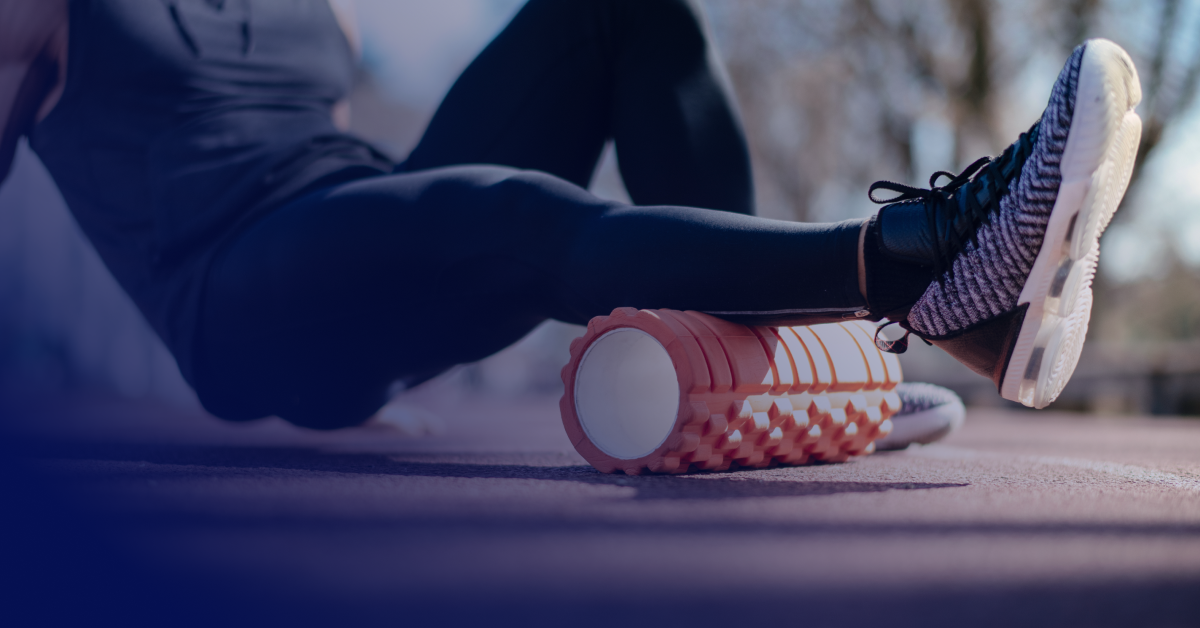
Foam rolling is a popular method to relieve sore muscles. Yet you may need more to keep your muscles flexible and strong.
You see them in gyms and sporting goods stores. Those long, circular foam tubes that look similar to pool noodles. Except they’re not used for swimming. Instead, foam rollers have become a popular tool to relieve muscle soreness after a workout or a long day sitting at a desk. But do they really work?
Many swear by the benefits of foam rolling to loosen tight muscles and increase flexibility. As with any fitness technique, foam roller exercises can be helpful when used properly to unlock stiff muscles. However, foam rolling cannot address weak muscles or other structural imbalances that may be the root of your pain and stiffness.
What Is Foam Rolling?
Foam rolling is a form of self myofascial release. Think of it as a massage without the massage therapist. “Myo” refers to muscle, while fascia is the elastic sheath of soft tissue overlying the muscles. Your muscles glide through the fascia as you move. Strenuous exercise, poor posture, and sedentary lifestyle can cause the fascia to tense up and form knots or trigger points. Tight muscles often lead to pain and limited mobility.
Rolling the foam cylinder over tight muscles applies gentle pressure and releases the tension in the muscles and fascia. Foam rolling is typically performed before and after a workout, but you can use a foam roller anytime of day. The technique is frequently part of a rehabilitation program.
What Does Foam Rolling Do?
Foam rolling's main benefit lies with reducing muscle tightness and pain. Yet it offers other advantages as well.
- Treats delayed onset muscle soreness (DOMS) after a workout for faster recovery
- Relaxes muscles
- Reduces stress
- Increases joint range of motion
- Boosts blood flow to the muscles for healing
- Improves short-term flexibility
- Helps athletic performance as part of warm-up routine and post-workout cool-down
Does Foam Rolling Actually Reduce Soreness?
Research is ongoing on the effectiveness of foam rolling. One study concluded pre-workout foam rolling showed short-term improvements in flexibility with no associated decrease in muscle performance. The study went on to say foam rolling showed an insignificant effect on performance and recovery. The researchers recommend foam rolling as a warm-up activity.
Another study found foam rolling significantly increased range of motion in the knee joint. The study said foam rolling of the quads can be beneficial for improving knee mobility without any negative impact on the muscles.
Why Foam Rolling Isn’t a “Fix”
While foam rolling may feel great after a workout, it may not be the solution for deeper orthopedic problems or structural misalignments.
It Doesn’t Address the Root Cause of Pain
- Pain and stiffness caused by muscle imbalances or injury
- Poor movement patterns and/or poor posture that overload certain muscle groups
- Overuse or not following proper technique when training
Effects are Temporary
- Relief from DOMS is often short-lived
- Doesn’t address underlying structural dysfunction
It Doesn’t Build Strength
- Fails to build strength in weak or under-utilized muscles
- No impact on muscle stability or endurance
It Can be Misused
- Incorrect technique or foam rolling for longer than recommended
- Over-rolling sensitive areas or joints (knees, neck, lower back)
- Not recommended for fractures or localized tissue inflammation, or if medical conditions such as deep vein thrombosis are present
Common Causes of Muscle Soreness Foam Rolling Can’t Solve
Muscle soreness and stiffness can be attributed to several causes. In those instances, foam rolling won’t solve the primary reason for the pain.
- Overtraining without a break
- Poor recovery habits (poor sleep, not incorporating rest days into your workout routine)
- Weak or imbalanced muscles that cause other muscles to over-compensate
- Improper form during exercise
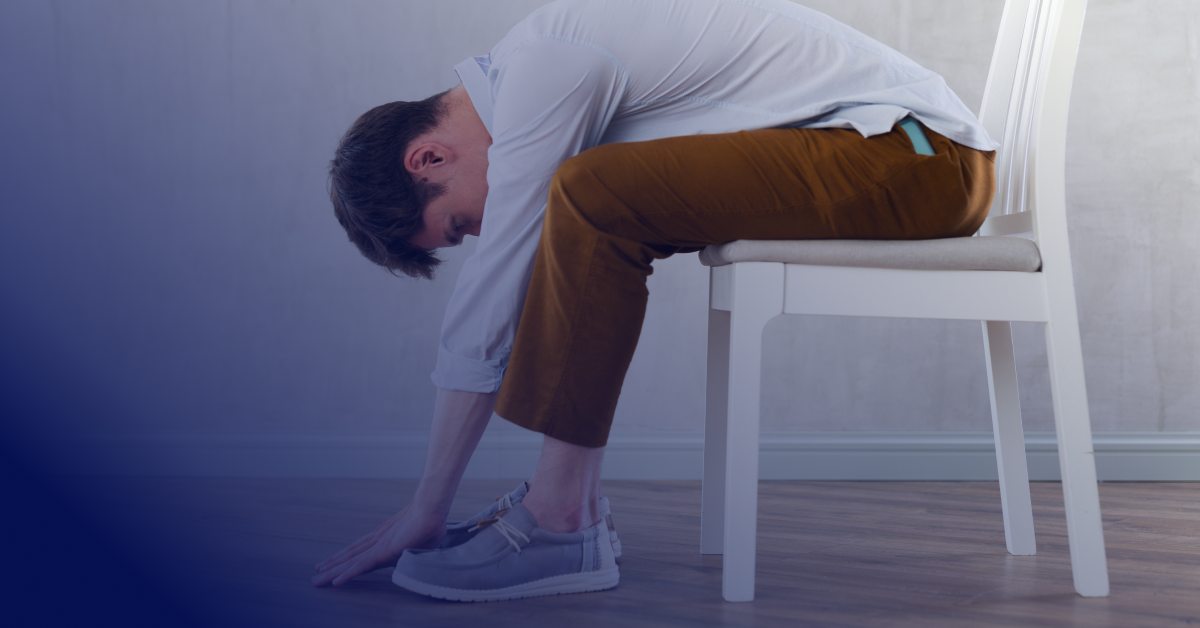
- Lack of overall mobility
What Actually Helps Muscle Soreness
Strength Training
- Builds up weak muscles
- Builds resilience and stamina
Mobility and Stretching
- Improves range of motion
- Increases muscle flexibility
Proper Recovery
- Rest days balanced with vigorous workouts
- Getting enough sleep to stimulate muscle repair
Hydration and Nutrition
- Eat well. Fuel your workout and recovery with foods rich in protein, Vitamin D, calcium, and other essential nutrients and minerals
- Stay hydrated. Drink 17 to 20 ounces of water prior to working out and 16 to 24 ounces of fluid for every pound of body weight lost during the workout
Physical Therapy
- Identifies root cause of pain and stiffness
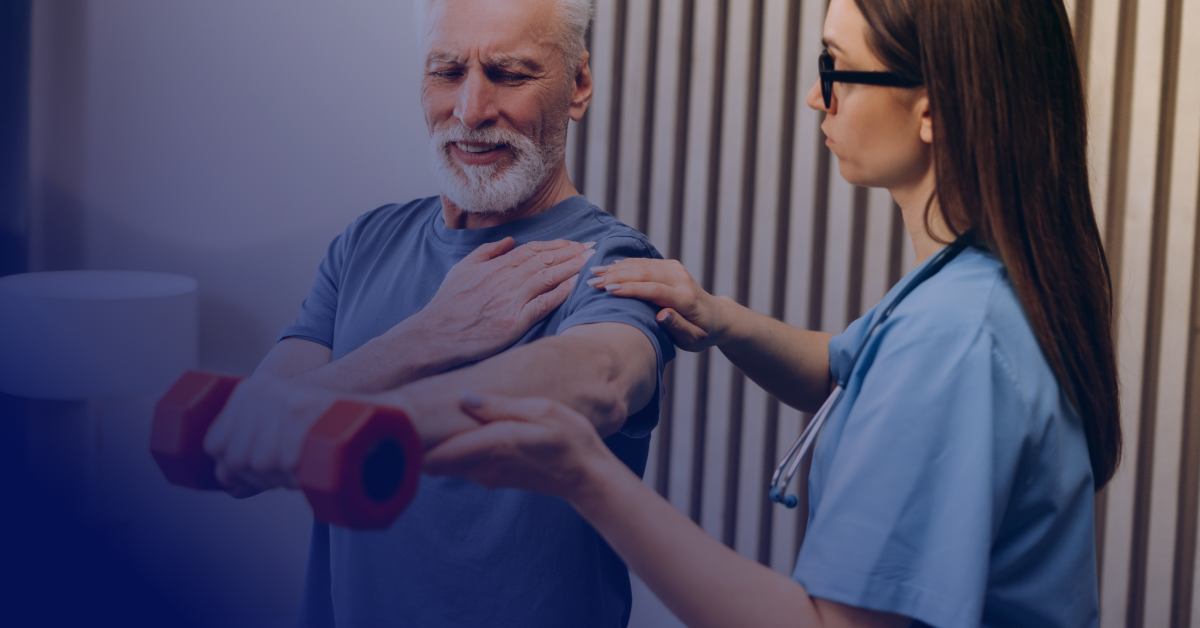
- Creates a targeted plan to address weak muscles, improper posture, and movement issues
When Foam Rolling Can be Helpful
Foam rolling is a wonderful way to reduce muscle soreness, at least temporarily. It has a place in a well-rounded fitness program.
- As part of a warm-up routine
- After workouts to circulate blood to muscles to promote recovery
- For temporary soreness relief after a workout and to maintain flexibility
- In combination with other treatments for orthopedic conditions or injuries
How to Do Foam Rolling Right
Foam rollers come in several densities and textures. Smooth, dense foam rollers are good for beginners. Foam rollers with ridges and knobs probe deeper in the muscles and can loosen trigger points and knots.
- Start by applying light pressure until you become comfortable with the technique.
- Slowly roll tender areas for 10 seconds to start, then work up to 30 to 60 seconds at a time.
- Do 3 to 5 times a week for long-lasting flexibility.
When to Seek Professional Help
Foam rolling is a simple and practical method to relax tight muscles. It’s inexpensive and can be done anywhere. Just be aware of signs that regular foam rolling may not be the answer to your muscular or joint issues. For that, you’ll need to consult with a medical professional.
- Persistent soreness even after foam rolling
- Pain that worsens with activity or exercise
- Continued limited mobility
- Recurring injuries
All Sports Physical Therapy is Here to Help
The team of physical therapists at All Sports Physical Therapy has the experience and expertise to create a comprehensive treatment plan to address your muscle soreness. When used correctly, foam rolling can be an essential part of that program. Contact us today for more about foam rolling and other PT methods.
FAQs
What is foam rolling?
A foam roller is a cylindrical tube used to release tension in the myofascia, which includes both the muscle and the soft sheath of tissue surrounding it. Rolling the foam roller back and forth over the muscles (typically in the calves and quads) can loosen tight muscles and thereby relieve soreness. It’s termed a form of self myofascial release because you do it yourself without the help of a massage or physical therapist.
Why would you need to perform foam rolling?
Muscles can become sore and tight after a workout or from sitting all day. Foam rolling is an effective way to reduce muscle soreness and restore flexibility.
Does foam rolling work?
It can smooth out tight, short muscles, particularly after a workout. But the results may only be temporary. Whether it has a long-term effect on performance or mobility is still being studied.
When is foam rolling not recommended?
Foam rolling will not strengthen weak muscles or correct poor posture. For that you’ll need the assistance of a physical therapist for muscle building and flexibility exercises. You should not roll the foam tube over bony joints like the knee or lower back.