The One Muscle You Might Not Be Training But Need To
Ankle Injuries
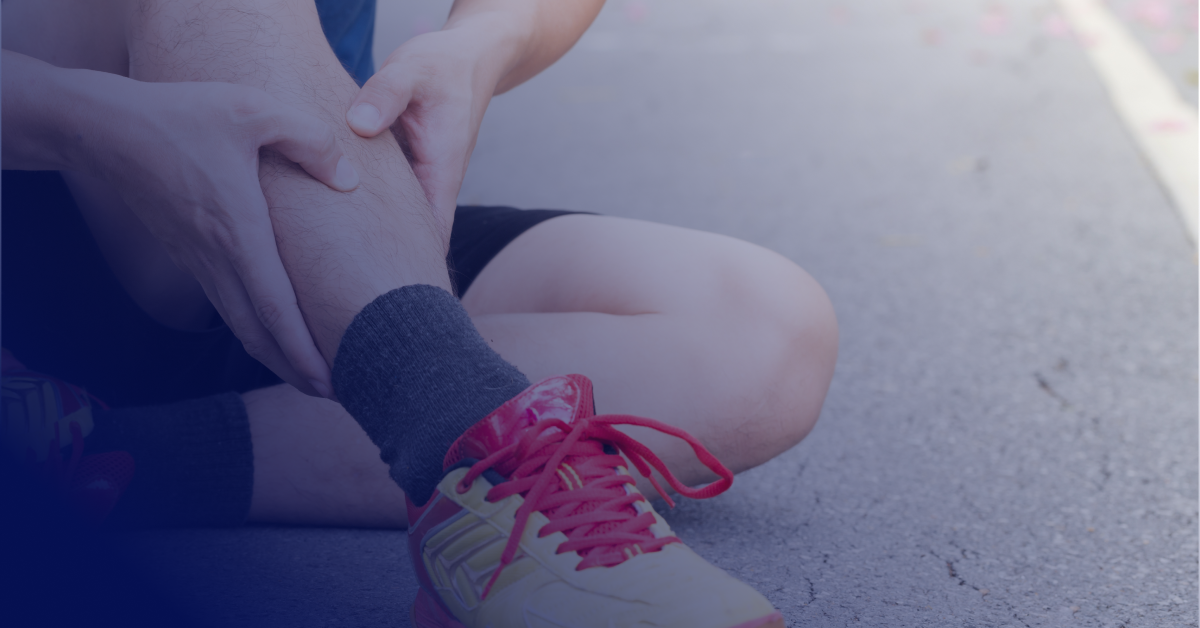
Never heard of the tibialis anterior muscle? You should! This little known muscle may be the key to better workouts.
The quads, glutes, and calves are definitely the superstar muscles. Every athlete and gym goer zeroes in on building up those vital muscle groups. But by targeting those familiar ones, they might overlook another vital muscle in the lower body — the tibialis anterior muscle along your shin.
The tibialis anterior may not be a household name, but you use it everyday to walk, run, climb stairs, and perform other activities. A strong tibialis anterior muscle is especially important to athletes and runners. On the other hand, an undertrained tibialis anterior muscle may alter your walking stride and cause painful conditions, such as shin splints. That’s why tibialis anterior exercises must be an integral part of your workout routine.
What Is the Tibialis Anterior?
The tibialis anterior muscle runs along the side of the shin bone, or tibia, from the knee to the foot. Located on the anterior or front part of the calf, the muscle crosses over the front of the ankle and the top of the foot. The muscle thins as it reaches the foot where it changes into a tendon and connects with the first metatarsal bone inside the foot near the ankle.
The muscle’s main function is to lift your foot toward your calf as you walk or run, a process known as dorsiflexion. It controls your foot movements and stabilizes your ankle to steady your gait.
Why the Tibialis Anterior Is So Important
Though not as large or well-known as other muscles, the tibialis anterior supports every step. When you run on a track or simply walk to the store you activate the tibialis anterior muscle.
Controls Foot Clearance
- Lifts your foot during walking and running (dorsiflexion)
- Controls the descent of the foot after the heel strikes the ground
- Raises the foot off the ground to prepare for the next step
Supports Balance and Stability
- Maintains balance during dorsiflexion to reduce the risk of falling
- Maintains mobility and coordination as you move
Absorbs Impact During Movement
- Acts as a shock absorber when the foot hits the ground
- Absorbs the impact on other structures in the lower body (the arch of the foot, for example)
Why it’s an “Undertrained Muscle”
The body consists of many muscles and it’s sometimes hard to train each one. Unfortunately, the tibialis anterior may be neglected in favor of bigger, more recognizable muscle groups.
- Most workouts emphasize the posterior muscle chain, which includes the glutes, calves, hamstrings
- Tibialis anterior is rarely directly targeted as the focus shifts to the posterior muscles
- Modern footwear reduces its activation by altering the natural mechanics of the foot and ankle
- Sedentary lifestyles limit its use because we do less walking and running
What Happens When it’s Weak
Strong muscles rarely cause problems. But a weak tibialis anterior muscle can lead to pain and other orthopedic issues, most notably, shin splints.
Increased Risk of Injury
- Shin splints, or medial tibial stress syndrome, due to excessive pressure put on the shinbone and the muscle around it
- Overuse injuries from running and jumping
Poor Running Mechanics
- Reduced efficiency in the push-off and landing when running
- Increased fatigue that leads to poor mechanics
Foot Drop or Instability
- Difficulty lifting the foot to avoid tripping
- Increased fall risk due to “foot drop,” or the inability to easily raise your foot because of a frail tibialis anterior muscle
Compensation Patterns
- A weak tibialis anterior muscles forces the calf muscles as well as the knees and hips to pick up the slack, which can result in pain and disability in those areas
Benefits of Strengthening the Tibialis Anterior
A strong tibialis anterior muscle is essential to your workouts and everyday life. Strengthening it will improve your athletic performance and overall mobility.
Improved Running and Walking Efficiency
- Efficient dorsiflexion: Better control over how you raise your foot and hit the ground
- The tibialis anterior supports the arches of your feet when running
Reduced Injury Risk
- Less strain on feet, ankles, and knees from repetitive motions
- Strong tibialis anterior muscle stabilizes the ankle and prevents ankle sprains
Better Balance and Stability
- Stabilizes your stride for greater balance
- Can walk and climb stairs without shin or lower leg pain
Enhanced Athletic Performance
- Quicker acceleration and firmer landings when sprinting and jumping
- Better overall lower body strength
When to Seek Help
Always listen to your body. If your shins are hurting, see a medical professional or a physical therapist.
- Persistent shin pain even after rest or at-home treatments (icing, taping, OTC pain relievers)
- Recurring injuries, such as shin splints or ankle sprains
- Difficulty walking, running, or climbing stairs
- Sensations of instability when walking or even standing
How Physical Therapy Helps
Physical therapists are uniquely qualified to treat muscle and joint disorders. They’ll use several tools to strengthen your tibialis anterior muscle and restore your stride.
- Identifies muscle imbalances in the lower leg
- Builds a targeted strengthening plan for the tibialis anterior muscle (tibialis raises, resistance band toe flexes, walking on heels)
- Corrects improper gait and movement patterns
- Prevents future injury by building up the tibialis anterior muscle
Time to Strengthen Your Shins
Though small and often overlooked, the tibialis anterior is critical for everyday movement. You engage it every time you walk or run. A strong tibialis anterior muscle boosts your athletic performance and can decrease your chance of injuries, such as painful shin splints, or falls.
The physical therapists at All Sports Physical Therapy can develop an individualized plan to strengthen this often undertrained muscle. Contact us today to learn more about how we can put the spring back in your step.
FAQ Section
What is the tibialis anterior muscle?
It runs along the front of the shin from the knee to the foot. When it tapers toward the foot, it changes into a tendon and connects with the first metatarsal bone inside of the foot near the ankle. It’s responsible for hoisting the foot upward when you walk or run.
Why is the tibialis anterior important?
Along with raising the foot and controlling the footfall when you walk, the muscle maintains your balance and keeps you stable. Quicking lifting your foot can prevent falls.
What are the best tibialis anterior exercises?
Yes, several exercises can strengthen the tibialis anterior muscle. Try tibialis raises, heel walks, single leg calf raises, and resistance band toe flexes.
How do I stretch the tibialis anterior?
Stretching is also a great method to increase flexibility in the muscle. Kneeling shin stretches and resistance band calf stretches are just two helpful stretching exercises focused on the tibialis anterior. A physical therapist can show you how to perform the exercises safely.
Can a weak tibialis anterior cause shin splints?
Yes, it’s a common contributing factor for shin splints among runners due to overuse or an undertrained tibialis anterior muscle.