The Phases of ACL Injury Recovery
Knee Injuries, Physical Therapy, Physical Rehabilitation
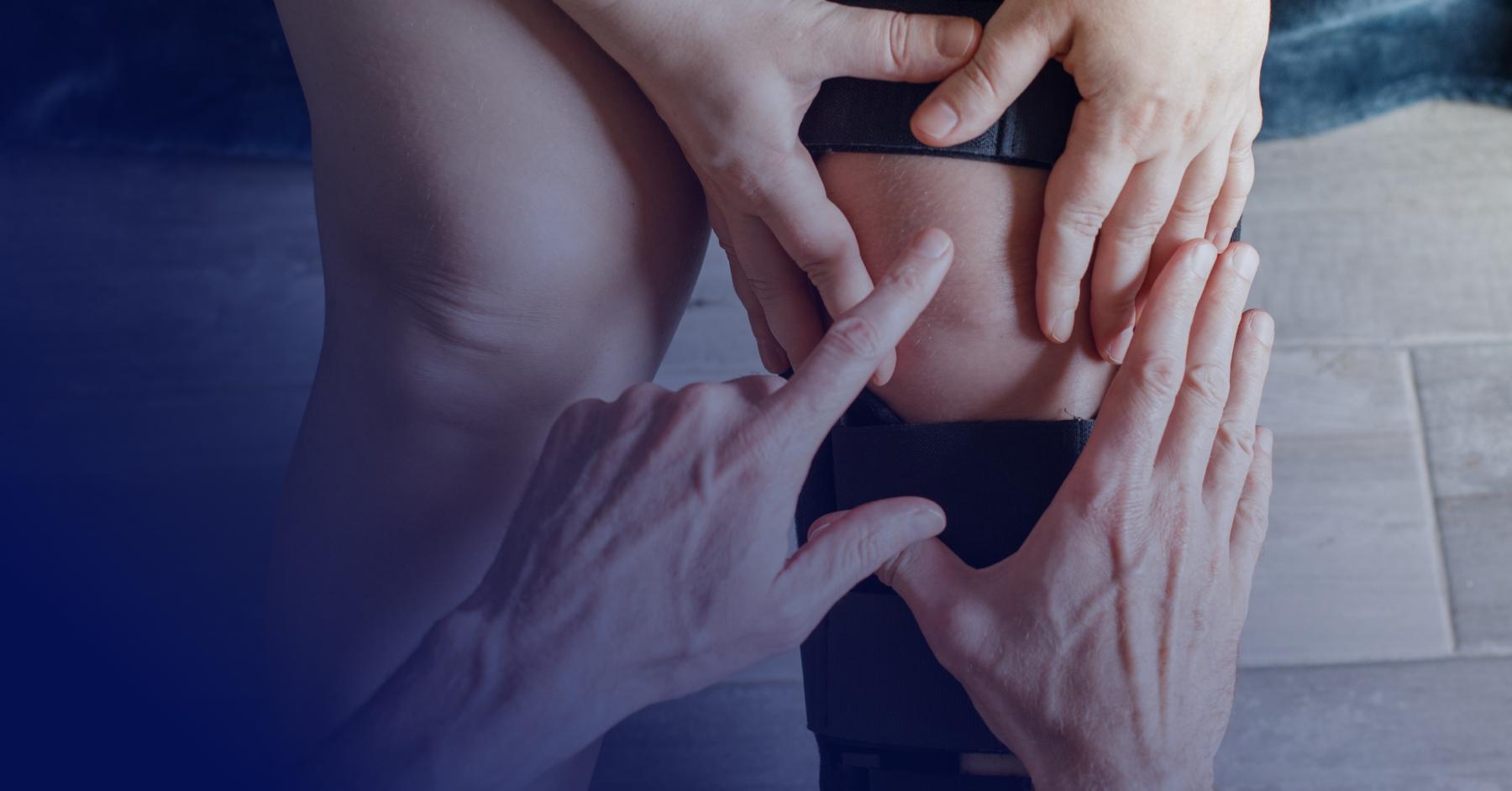
An ACL tear is a serious knee injury, but many people recover well with the right treatment and physical therapy. Recovery happens in steps, starting with reducing pain and swelling, then rebuilding motion, strength, and balance. As you meet clear goals along the way, you can safely work back toward running, jumping, and returning to your sport.
An ACL tear can happen in a split second. You might pivot, land from a jump, or change direction quickly and feel a pop in your knee. Pain and swelling often show up soon after. The knee may feel unstable, and even walking can feel difficult.
The ACL, short for anterior cruciate ligament, is a tough band of tissue connecting the thigh bone (femur) to your shin bone, or tibia. Running within the center of the knee, it stabilizes the joint while preventing it from bending or rotating beyond its normal range.
Each year, between 100,000 and 200,000 ACL ruptures occur in the U.S. Yet with innovative surgeries and a detailed, step-by-step rehabilitation plan overseen by a physical therapist, athletes can successfully return to their sport.
The general ACL recovery timeline
One of the first questions people ask is, “How long will this take?”
An ACL has a limited blood supply, so a full tear usually will not heal fully on its own. Still, surgery is not always necessary. Treatment depends on the severity of the tear and whether other injuries are present, such as a medial collateral ligament (MCL) tear.
People who are less active and who have experienced a minor tear can usually recover without surgery. Reconstruction surgery is often reserved for significant tears or those present in top-level athletes.
During reconstruction, a portion of tissue from the patient’s body or a donor replaces the damaged ligament. Recovery from surgery typically takes nine to 12 months before a full return to sports can be made.
For an athlete, that timeline may seem like an eternity, but it becomes more manageable when you focus on phases and measurable goals rather than a single end date. Trying to rush increases the risk of setbacks and re-injury. The goal is steady progress through objective milestones: swelling control, range of motion, strength, balance, power, and sport-specific movement.
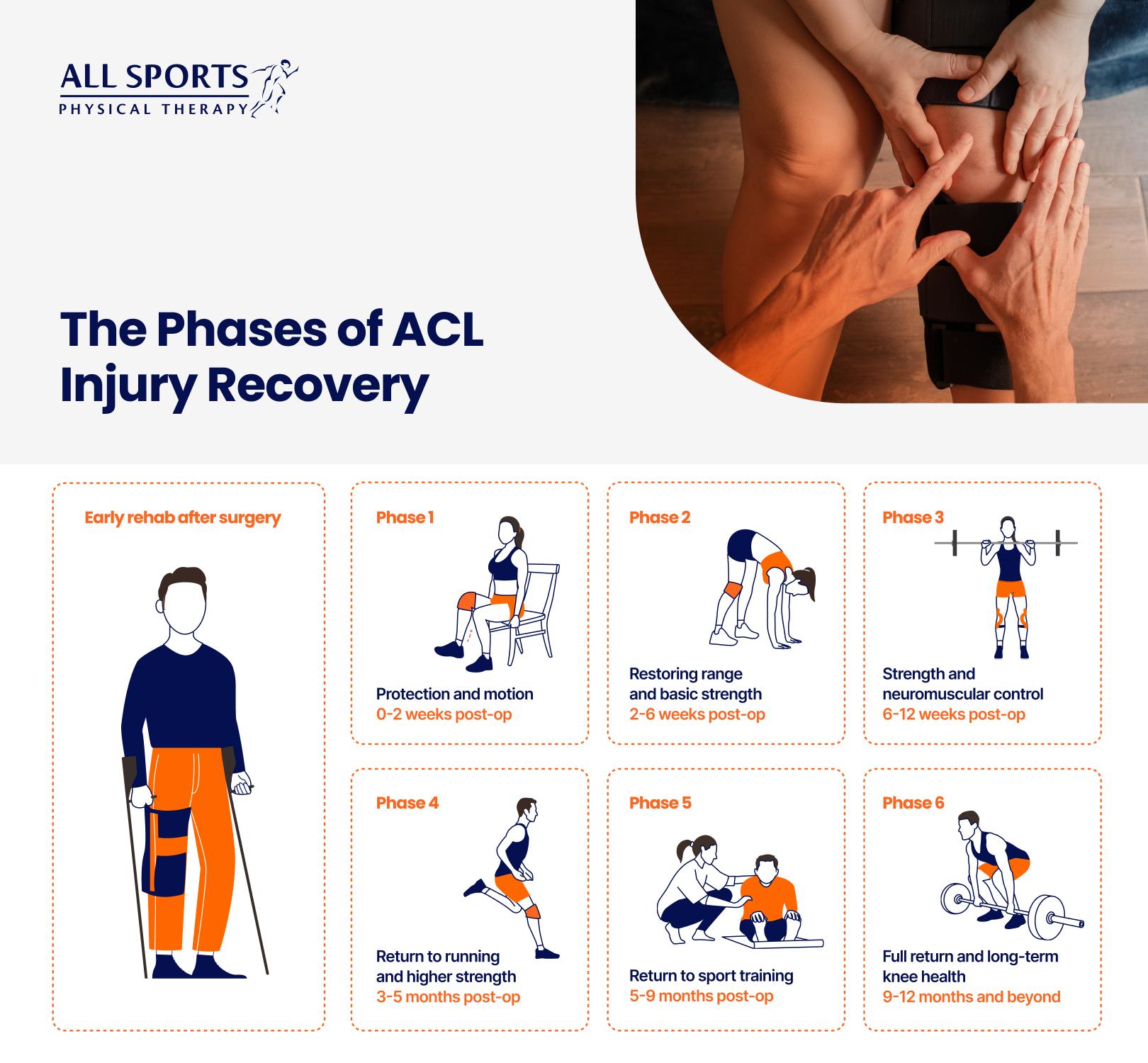
Phase 0: Early rehab after injury
If the rupture is significant and surgery is recommended, you’ll be advised to wait between three to six weeks before reconstruction surgery. This waiting period “calms” the knee and gives the swelling a chance to subside, which can lead to better surgical outcomes.
Here, physical therapy goals include:
- Reducing pain and bringing down swelling
- Working to restore full knee extension, or straightening, of the leg
- Gradually improving flexion, or bending of the knee
- Engaging the quadriceps to build strength
- Performing weight-bearing exercises as tolerated
Physical therapy exercises at this point focus on improving range of motion and hip/core strengthening. Examples may include ankle pumps, calf stretching, and controlled knee bending and straightening.
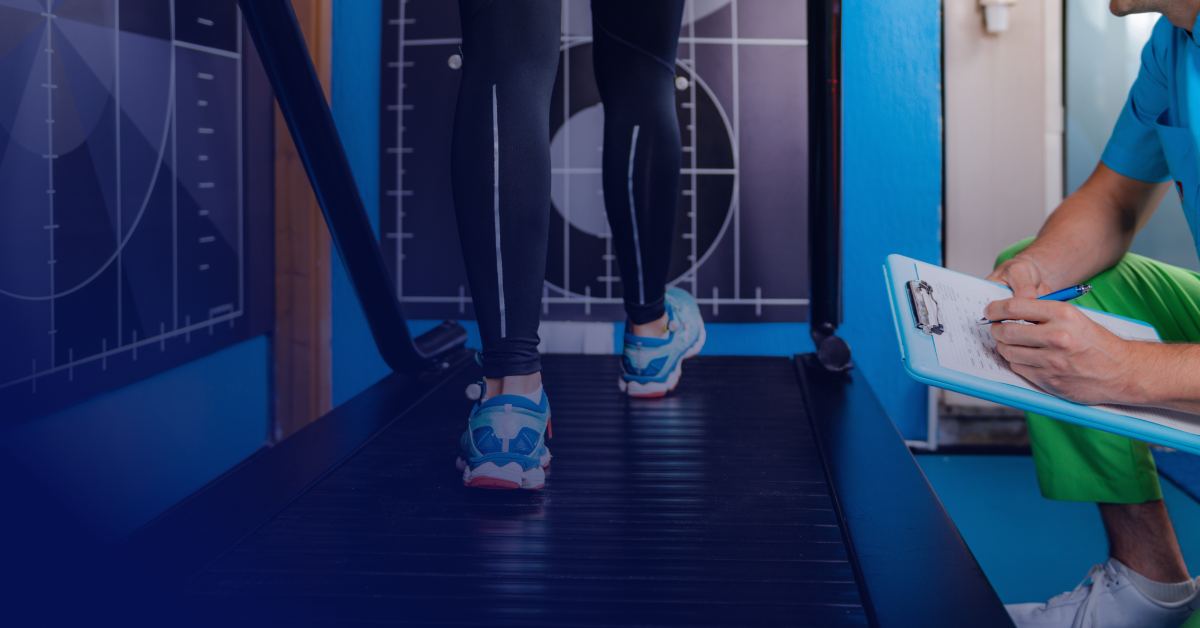
Once you’re able to fully straighten your leg and bend it at least 90 degrees, you can progress to the next phase of rehab or surgery. Your physical therapist will also assess your stride, how far you can walk, and how much the swelling has diminished.
Phase 1: Protection and motion (0–2 weeks post-op)
After surgery, physical therapy continues to get the knee to “settle down” after surgery, while also waking up muscles to prevent atrophy.
Main goals for this phase include:
- Controlling pain and swelling
- Protecting the graft and incision
- Achieving full knee extension
- Bending the knee as far as possible
- Continuing to strengthen the quadriceps
- Walking with crutches for two weeks
- Icing and elevating the leg
Common exercises may include:
- Stationary bike pedaling, as cleared
- Gentle strengthening, often beginning with simple closed-chain movements
- Balance work when appropriate
- Short walks, with crutches and a brace if prescribed
During the initial post-op phase, alert your physician and physical therapist if you have significant pain and swelling, warmth or redness in the knee, or fever. No longer being able to bend the knee must be reported, as well.
Phase 2: Restoring range and basic strength (2–6 weeks post-op)
This phase gradually increases intensity while continuing to protect the graft and avoid provoking symptoms. Discomfort should not spike sharply during exercise. If it does, your plan should be adjusted.
Physical therapy goals for this phase:
- Maintain full extension of the knee
- Progress toward full flexion
- Walk without crutches once gait is normal
- Improve quad/hamstring strength and hip stability
- Achieve better balance and proprioception, or better awareness of how your body moves in space
Common phase 2 exercises may include:
- Progressive strengthening, including calf and hip work
- Pool work such as shallow-water jogging or flutter kicking
- Low-impact conditioning as tolerated
Progress is typically based on near-full range of motion, minimal swelling after exercise, normal walking mechanics, and early single-leg control.
Phase 3: Strength and neuromuscular control (6–12 weeks post-op)
Here, strengthening becomes more challenging, and control becomes a priority. Quadriceps strength matters because a weak quad can slow progress and leave the knee less protected.
In this phase, your rehab plan will focus more on:
- Achieving a full range of motion in the knee
- Working the quadriceps at full strength
- Improving single leg balance
- Preparing the knee and leg for more intense exercise
Common exercises and activities in this phase:
- Leg press progressions
- Advanced balance and stability work
- Hip and core strengthening
You are generally ready to advance when swelling stays low, single-leg mechanics improve, and strength becomes more symmetrical.
Phase 4: A return to running and higher strength (3–5 months post-op)
At this stage, rehab begins to feel more athletic. Strength work continues, and many athletes start a gradual running program once they meet criteria.
Physical therapy exercises will focus on:
- Quadriceps and hamstring strength approaching the uninjured side
- Improved power and endurance
- Controlled landings during jumps and drops
- A graded return-to-running plan
Your rehab plan at this stage may include:
- Run-walk intervals once cleared
- Heavier strength training
- Progressive plyometrics emphasizing jump and landing mechanics
- Early agility drills
Moving forward usually depends on strength testing, range of motion, quality single-leg movement, and how the knee responds after sessions.
Phase 5: Return to sport training (5–9+ months post-op)
This is where sport begins to re-enter the plan. The goal is to rebuild skill under control, then under fatigue, while continuing to protect the knee.
Physical milestones to aim for in this stage include:
- Continuing to restore speed, agility, and reactive control
- Achieving roughly 90% limb symmetry on strength and hop tests
- Building confidence and psychological readiness
To achieve them, workouts may include:
- Cutting and pivoting progressions
- Sport-specific drills, gradually layered with fatigue
- Heavy lifting for power
- Advanced plyometrics
Before an all-in return to sports, the physical therapist will evaluate how well you move through the hop test. They’ll rate your strength and monitor symptoms post-workout.
Phase 6: Full return and long-term knee health (9–12 months and beyond)
Finally! You’re given permission to return to your sport with no restrictions. But physical therapy doesn’t stop there. Maintaining the strength and agility you reached during rehab will prevent re-injury and keep the reconstructed knee healthy and functioning.
You can expect:
- Safe return to full participation
- Ongoing strength and balance work for quads, hamstrings, and hips
- Injury prevention program with thoughtful load management
- Periodic re-testing or check-ins
Common exercises in this phase:
- Strength training two to three times per week
- Neuromuscular warm-ups before sport, including light cardio and dynamic stretching
Keeping these habits in place also makes it easier to spot problems early, which is why it helps to know what can slow recovery and what you can do about it.
What can slow ACL recovery?
ACL rehab is a long process, and several factors can delay progress. Some are outside your control, but many are manageable:
- Additional injuries, such as an MCL tear or cartilage damage
- Pushing through persistent pain or swelling without adjusting volume
- Skipping strength work, especially quadriceps training
- Neglecting knee extension work
- Not meeting objective benchmarks before progressing
- Returning to sport before full clearance
If any of these issues show up, you do not have to guess what to do next. Reaching out at the right time can prevent a small setback from turning into a longer delay.
When to call your physical therapist or surgeon
An ACL recovery program can be challenging at times, and there are bound to be setbacks along the way.
Clear communication between you and your physical therapist can help you overcome these hurdles and stay on track for a full recovery:
- Swelling that worsens or doesn’t settle within 24 to 48 hours after a rehab session
- Diminished knee extension and other symptoms, such as a locking or catching sensation and sharp pain in the joint
- Continued instability in the knee
Once you know the red flags to watch for and when to ask for help, you can focus on the big goal of rehab, building strength step by step and returning to sport safely.
Train smart, finish strong
A successful return after an ACL injury depends on progressing through a structured rehabilitation plan with clear phases and measurable milestones. Each carefully planned phase allows you to move on to the next and ultimately to the final phase: a return to the playing field, court, or track.
Setbacks may happen during this lengthy process. However, commitment to the program and meeting pre-set goals every step of the way assures a successful outcome. The physical therapists at All Sport Physical Therapy stand ready to guide through your ACL rehab. Call us today for a safe return to your pre-injury activities.
FAQs
How long does ACL recovery take with physical therapy?
The general timeline is nine to 12 months, but it depends on the patient and the severity of the injury. A less active person with a mild ACL tear may recover quicker and not need surgery. Significant tears do require surgery and that may extend the rehab program. Athletes in sports with frequent cutting and jumping motions may also need more time to recover following reconstruction surgery.
When can I walk without crutches after ACL surgery?
About two weeks after surgery you may be able to walk without crutches. However, you must demonstrate you can put weight on the knee without pain before you can ditch the crutches.
When can I run again after ACL reconstruction?
Around 5-9 months post-op—that’s if the physical therapist clears you for a running program. You’ll start slowly with a run/walk workout and ramp up from there.
What tests determine readiness to return to sport?
Quadricep strength is vital as weak quads can delay your progress. Your physical therapist will also assess how you perform during agility tests, such as vertical jumps.
What are signs I’m pushing too fast?
You may be tempted to speed up your recovery, but that won’t help you reach your goal. Pain and swelling that persists after a physical therapy session along with physical and mental exhaustion are signs you need to slow it down a bit and pull back your intensity.