Returning to Sports After Having a Baby: What No One Prepares You For
Physical Therapy
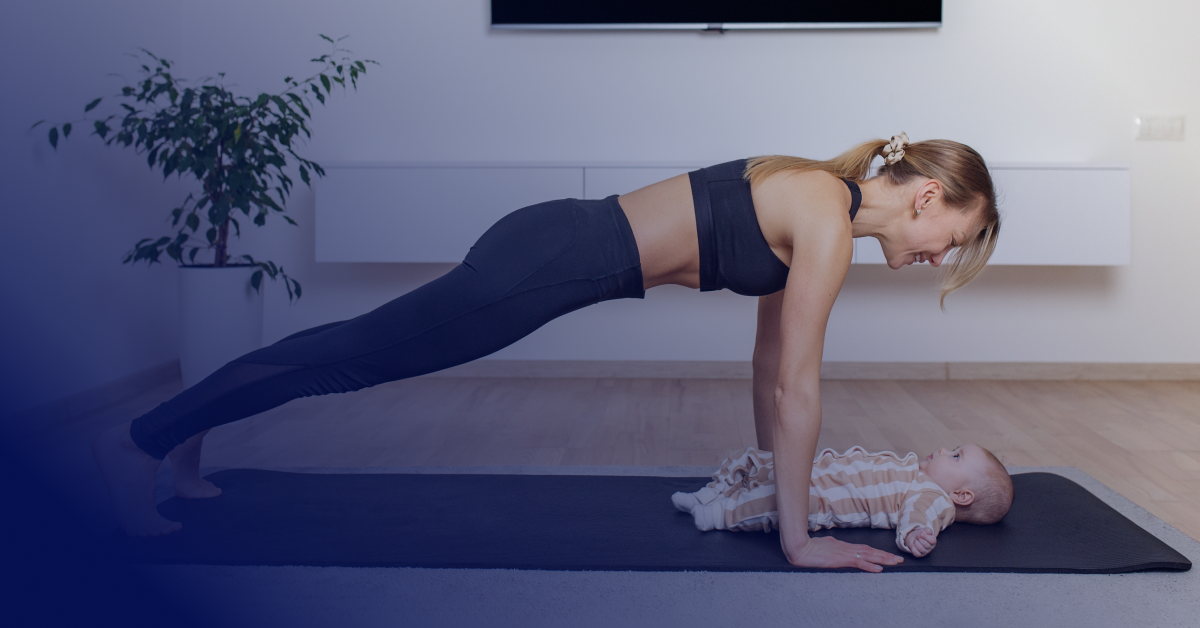
You’re thinking about returning to sports after a baby, and you feel alone. There’s no comparison to how hard it feels. Many active women expect that once they’re “cleared” at six weeks postpartum, they can jump right back into workouts, runs, or competition. But the reality is very different.
Returning to sport after pregnancy isn’t just about fitness; it’s about recovery, rebuilding, and relearning how your body works. Your muscles, joints, hormones, and even your energy levels have changed in unexpected ways.
That’s where return-to-sport physical therapy or return-to-sport testing can make all the difference.
Let’s talk about what no one prepares you for and how to come back stronger, safer, and more confident.
Your Body has Changed More Than You Think
Pregnancy and childbirth affect nearly every system in your body. From your pelvic floor to your cardiovascular system, everything has adapted, and not everything snaps back right away.
During the postpartum period, common changes include:
- Abdominal and pelvic floor stretching
- Muscle weakness and deconditioning
- Hormonal shifts affecting joint stability
- Sleep deprivation and fatigue
These changes aren’t minor. They directly impact your ability to return to sports safely. In fact, pelvic floor dysfunction alone affects a significant number of postpartum women and can interfere with athletic performance if not addressed.
The “6-Week Clearance” Myth
One of the biggest misconceptions about returning to sports after a baby is the idea that you’re ready at six weeks postpartum.
In reality, that six-week check is often just a general medical clearance, not a full musculoskeletal or performance evaluation. Research shows that many traditional guidelines don’t account for the real challenges new moms face, including fatigue, mental health changes, and physical recovery timelines.
Your body may still be healing well beyond that point. Jumping back into high-impact activity too soon can increase the risk of:
- Pelvic floor issues (like leaking or pressure)
- Back or hip pain
- Core instability
- Injury recurrence
Before you return to sports, you may want to have a conversation with your care provider about your health. Find out whether you’re still healing, ready to go back, or need supportive care like physical therapy.
Pelvic Floor Health is Everything
Here’s the part most women aren’t told: your pelvic floor is central to your return.
Nearly 1 in 2 postpartum women stop exercising due to pelvic floor symptoms like leaking or discomfort.
Your pelvic floor works with your core to stabilize your body during running, jumping, lifting, and cutting movements. If it’s not functioning well, everything else compensates, and that’s where pain and injury can start.
Signs your body may not be ready for full sport yet:
- Leaking urine during activity
- Heaviness or pressure in the pelvis
- Lower back or hip pain
- Abdominal “doming” or weakness
This is where return-to-sport physical therapy becomes critical. A trained physical therapist can assess and guide your recovery in a way that general clearance cannot.
Strength Isn’t the Same as Readiness
You might feel “strong enough” to work out, but returning to sports after a baby requires more than strength.
A proper return to sport progression includes:
- Core and pelvic floor coordination
- Balance and stability
- Impact tolerance (jumping, running)
- Agility and sport-specific movement
Without rebuilding these foundations, your body may compensate in ways that increase your risk of injury.
That’s why structured physical therapy programs emphasize gradual progression and individualized care, not a one-size-fits-all timeline. If you think you’re ready to return to spots after a baby and have clearance from your physician, it may be time to talk to a physical therapist.
The Emotional Side No One Talks About
Returning to sports after a baby isn’t just physical. It’s emotional, too. Many moms are afraid of injury and worry they have to start from scratch when returning to sports after a baby. Others experience slower progress.
Many moms feel pressure to bounce back quickly and return to their peak athletic ability. Plenty also grapple with changes in their identity as both athletes and parents.
Research highlights that postpartum recovery should consider physical, psychological, and social factors, not just physical readiness. A physical therapist can help you set expectations for returning to sports after a baby. They’ll work with you to set achievable milestones, making sure you see steady progress.
Remember that returning to sports isn’t just about rebuilding your body but redefining your relationship with physical activity. Changes are expected, and that’s okay!
Why Return to Sport Physical Therapy Matters
This is where the right support changes everything.
Return-to-sport physical therapy focuses on helping active individuals safely resume their sport after injury—or, in this case, childbirth.
Postpartum-focused physical therapy can:
- Assess pelvic floor and core function
- Address pain or dysfunction
- Build a progressive strength and conditioning plan
- Guide your transition back to impact and sport-specific movements
Instead of guessing when you’re ready, you’re following a plan designed for your body.
What Is Return to Sport Testing?
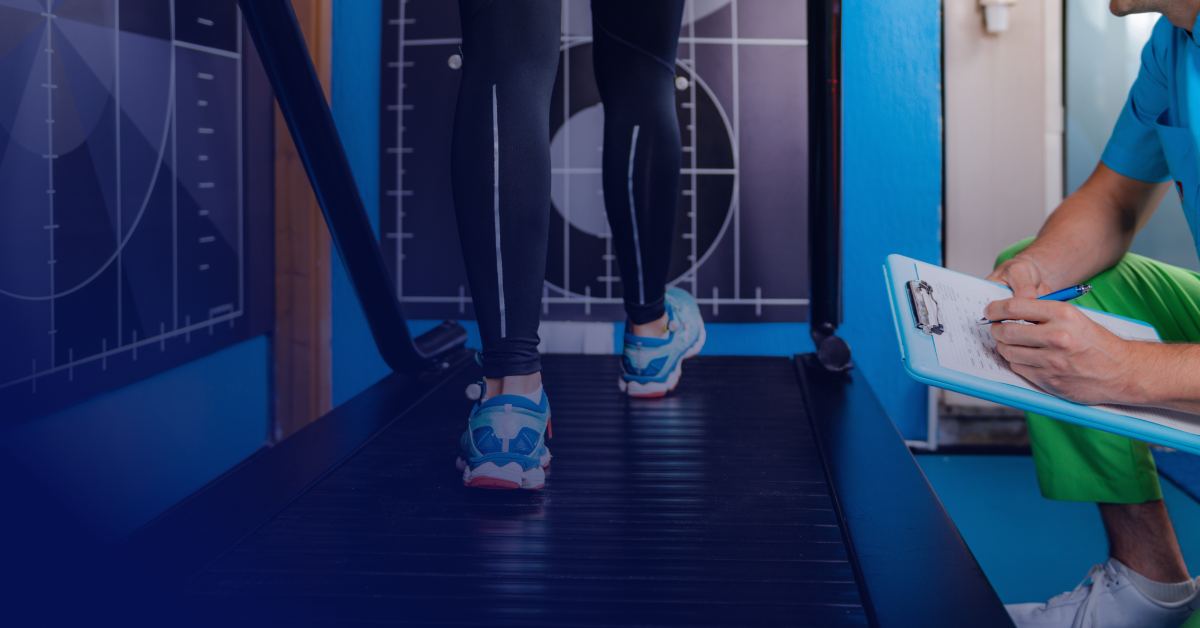
Before fully returning to your sport, return-to-sport testing helps determine whether your body is truly ready.
This may include:
- Strength testing (single-leg strength, core stability)
- Balance and coordination assessments
- Jump and landing mechanics
- Agility or sport-specific drills
These tests ensure that you’re objectively ready to return to sport after a baby.
This kind of testing is standard after injuries like ACL tears, but it’s increasingly recognized as essential for postpartum athletes as well.
A Smarter Way to Return to Sport
Many experts now recommend a phased, individualized approach to postpartum recovery rather than a fixed timeline.
One example is a structured progression that includes:
- Rest and recovery
- Restoration of the core and pelvic floor
- Reconditioning strength and endurance
- Gradual return to sport
- Ongoing refinement and performance
This type of framework emphasizes long-term health—not just getting back quickly. Remember that returning to sport after a baby is a journey.
Practical Tips for Returning to Sports After a Baby
If you’re starting your journey back, here are a few key principles:
1. Start slower than you think you need toYour body is still healing—even if you feel okay. Take your time and don’t push yourself too hard when you’re just starting. It’s okay to feel frustrated: returning to sports after a baby requires you to make a lot of changes! But it’s better to take it easy and avoid injury. You’ll get back to peak condition soon enough.
2. Prioritize your core and pelvic floor firstAfter pregnancy, the core and pelvic floor are weakened and need to be rebuilt first. These muscles support stability and movement, and without them, the body compensates—raising the risk of injury. Strengthening them early restores proper function, improves coordination, and creates a safer foundation for returning to exercise and sport.
3. Progress gradually into impact activitiesRemember: you should start slower than you think you need to. If you used to be a runner, start by walking. Slowly increase your speed over days or weeks until you’re jogging, and then increase again until you’re running. If you’re not sure how quickly you should progress, a physical therapist can help you determine a care plan tailored to you.
4. Listen to your symptomsPain, leaking, or pressure are signals that something may not be right. Don’t ignore these signs from your body and push through them. Take time to listen to your body. Changes like these may mean it’s time to talk to your care provider.
5. Get professional guidanceA physical therapist trained in postpartum care can make a huge difference. Their understanding of your body and the changes it underwent during pregnancy and the postpartum period can help you develop the right plan to return to sports after a baby.
Take Your Time and Rebuild Right
Returning to sports after a baby isn’t about rushing back; it’s about rebuilding the right way.
With the right plan, the right support, and the right expectations, you can return stronger, more resilient, and more in tune with your body than ever before.
And most importantly, you don’t have to figure it out alone. If you’re thinking about returning to sports after a baby, talk to one of our physical therapists. They can help you develop a care plan that’s right for you. Contact us today to visit one of our two offices in the city.
FAQs
When can I safely return to sport after having a baby?
Most women receive general clearance around six weeks postpartum, but true readiness varies. A gradual, individualized approach—often guided by return-to-sport physical therapy—is recommended.
Why do I feel weak even after being cleared to exercise?
Your body has gone through significant changes, including muscle stretching, hormonal shifts, and deconditioning. Strength and coordination need to be rebuilt, and that takes time. Don’t push yourself too hard as you get back into your sport.
What is return-to-sport testing?
Return-to-sport testing evaluates your strength, balance, and movement to determine whether your body is ready to return to sport safely.
Is pelvic floor therapy really necessary?
Sometimes. Pelvic floor dysfunction is common postpartum and can significantly impact your ability to return to sport safely. Talk to your doctor or physical therapist (or both!) to determine the right course of care for you.
Can I run if I don’t have pain?
Not necessarily. Even without pain, underlying weakness or dysfunction can increase the risk of injury. Proper progression and testing are important.
What are signs I’m returning too quickly?
Leaking urine, pelvic pressure, back pain, or persistent fatigue are signs your body may not be ready for higher-level activity.