So Your Knee Hates Running Now: Here's What's Actually Going On
Knee Injuries
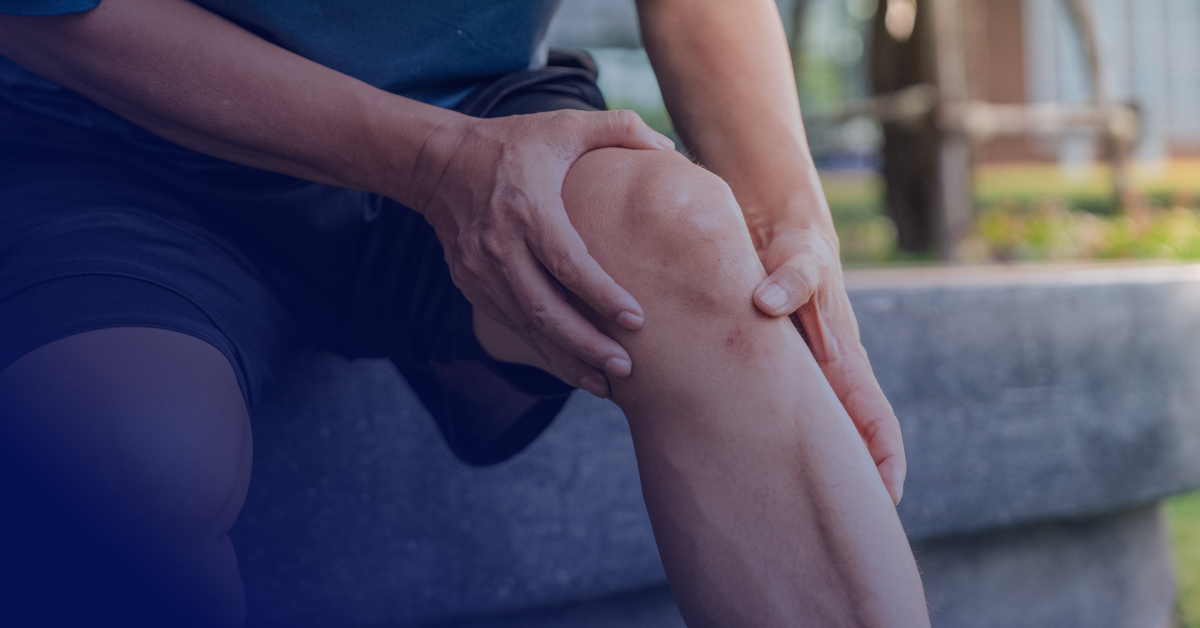
Running is fantastic exercise. But you’re asking a lot from your knees when you circle a running track.
You may be one of the more than 40 million people in the U.S. who run regularly. Like other dedicated runners, you never miss a day running in the fresh air or striding on a treadmill. Lately, though, every step you take brings a jolt of knee pain. Why?
Whether for a marathon or recreationally, running is a great way to build cardiovascular fitness, muscle strength, and relieve stress. Yet for all its health benefits, running puts a lot of stress on the delicate knees. Two of the most common sources of knee pain for runners are patellofemoral pain syndrome (aka "runner’s knee”) and iliotibial (IT) band syndrome. Though both cause pain, the two conditions are quite different. A physical therapist can spot the differences and suggest effective treatment so you can put on your running shoes again.
Why Running Is So Tough on the Knees
A hinge joint, your knee connects your thigh bone (femur) to your shin bone (tibia). The kneecap, or patella, sits at the front of the knee joint. With the help of a network of cartilage, tendons, ligaments, muscles, and lubricating fluid, your knee joint allows you to walk, run, stand, flex your leg, and maintain your balance. Our knees are so essential to our everyday activities that we sometimes overlook how much stress we put on them.
It’s estimated the knee absorbs between 4 to 13 times your body weight when running. That added stress is just one contributing factor to your knee pain.
- Running places repetitive stress on muscles, tendons, cartilage, and ligaments
- Improper running technique over hundreds or thousands of steps leads to progressive pain
- Knee pain often develops gradually due to repetitive stress rather than a single injury
- Not training properly or taking adequate rest
Not All Running Knee Pain is the Same
Most runners experience muscle soreness or achy knees after a run. And it’s easy to dismiss the knee pain as just part of running and keep on trekking. However, that may prevent you from getting the correct diagnosis from a medical professional to treat the annoying pain.
The Problem With Self-Diagnosis
- Many runners label all knee pain as "runner's knee" when it may not be
- Different structures around the knee can create similar symptoms
- The location, timing, and triggers for the pain can point to the right diagnosis
The Most Common Running-Related Knee Conditions
- Patellofemoral Pain Syndrome (PFPS)
- IT Band Syndrome (ITBS)
- Patellar tendonitis
- Meniscus irritation
- Early arthritis (less common in younger runners)
Runner's Knee vs IT Band: What's the Difference?
Patellofemoral pain syndrome (PFPS), or runner’s knee, and iliotibial (IT) band syndrome rank highest as the two most frequent complaints among runners.
What Is Patellofemoral Pain Syndrome?
- Patellofemoral pain syndrome refers to pain under or around the kneecap or patella.
- Pain develops where the kneecap (patella) fits into a groove in the thigh bone (femur).
- One of the most common causes of knee pain in runners. Up to 19% to 30% of female runners and 13% to 25% of male runners report knee pain due to PFPS.
Common Symptoms of Patellofemoral Pain
- Pain around or behind the kneecap
- Pain with climbing stairs
- Pain after prolonged sitting ("movie theater sign")
- Discomfort during squats or lunges
- Clicking or grinding noises in knee
- Pain that worsens with increasing mileage
What is IT Band Syndrome?
Understanding the IT Band
- The iliotibial band runs from the hip to the outside of the knee
- Helps stabilize the leg during running
- Pain occurs when the band rubs repeatedly against the lateral epicondyle bone outside the knee near the bottom of the femur
- About 12 percent of running pain is due to IT band syndrome
Common IT Band Syndrome Symptoms
- Sharp or burning pain on the outside of the knee
- Pain that appears after a certain distance or duration
- Symptoms worsen as you go downhill
- Tenderness along the outer knee
Runner's Knee vs IT Band Syndrome: Key Differences
Though each causes general knee discomfort, runner’s knee and IT band syndrome vary in where the pain is located and what causes the pain to flare.
Pain Location
Patellofemoral Pain
- Front of the knee
- Around or behind the kneecap
IT Band Syndrome
- Outside (lateral) knee
Pain Triggers
Patellofemoral Pain
- Stairs
- Squats
- Prolonged sitting
- Running hills
IT Band Syndrome
- Long runs
- Downhill running
- Repetitive knee bending
Progression of Symptoms
How runner’s knee and IT band symptoms develop over time are also dissimilar. These distinct characteristics separate the two conditions.
- IT band pain starts gradually and intensifies over weeks. May start at a certain point in your run and goes away when you stop. Worsens when you run downhill.
- Runner's knee tends to be more persistent throughout the run and aggravated by climbing up and down stairs as well as squatting during normal activities.
Why These Problems Develop in the First Place
IT band syndrome and runner’s knee primarily come about because of excess load on the knee and repetitive actions. Yet those aren’t the sole reasons.
Training Errors
- Sudden mileage increases
- Excessive hill training
- Failing to rest and recovery
Muscle Weakness
- Glute weakness
- Hip stabilizer weakness
- Core deficits
Mobility Restrictions
- Tight hip flexors (muscles at the front of the hips)
- Limited ankle mobility
- Reduced hip rotation
Running Mechanics
- Overstriding (your foot lands far in front of your body)
- Poor cadence (how many steps you take a minute)
- Dynamic knee valgus, or an inward rotation of the knee while running
Why Rest Alone Often Doesn't Solve the Problem
Your first thought may be to rest when knee pain strikes. Rest is always a good way to quickly reduce aches and pains. But what happens if the pain creeps up again when you hit the ground running a day or two later?
Instead of falling into a common runner’s mistake of thinking the pain is gone after a break, consider taking a thorough look at your training program and overall fitness. You may need to:
Address the Root Cause
- Muscle strength deficits
- Incorrect movement patterns
- Mobility limitations
- Training load management
What Physical Therapy Looks Like for Running Knee Pain
What you may need more than rest is a detailed evaluation by a physical therapist. The review will focus on several crucial elements to improve your training and running technique.
Comprehensive Movement Assessment
- Strength testing
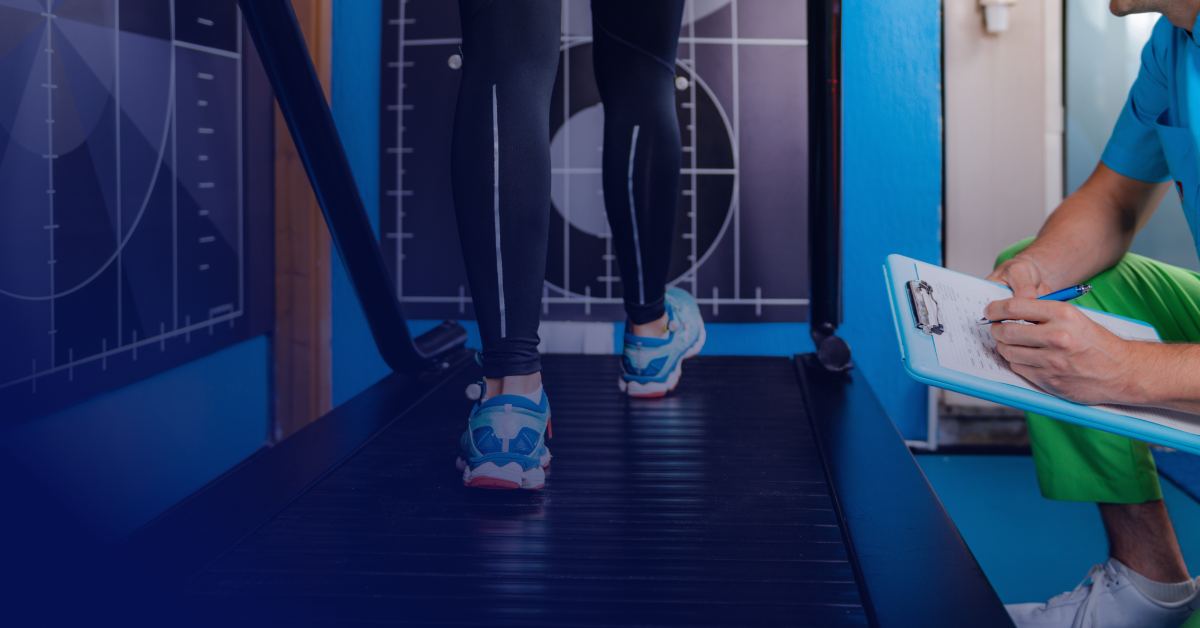
- Running gait analysis
- Mobility screening
Treatment Strategies for Patellofemoral Pain
- Hip strengthening (glute bridges, lateral band walks)
- Quadriceps strengthening (straight leg raises)
- Activity modification to avoid stress on the knee
- Running progression at a measured pace
Treatment Strategies for IT Band Syndrome
- Glute strengthening (glute bridges, clamshells.)
- Hip stability work (side-lying leg raises)
- Load management
- Running mechanics correction
When it's Time to Stop Running and Get Evaluated
Runners hate to take a day off from the track or treadmill. But running through severe knee pain will not make it go away. Know when to jump off the running course to protect your knees from further damage.
Red Flags
- Swelling
- Locking or catching sensation
- Instability or feeling the knee will buckle
- Pain that worsens despite rest
- Significant loss of function
Why Early Treatment Matters
- Prevents symptoms from becoming chronic
- Promotes faster return to running
- Reduces risk of compensatory injuries to hips and lower back
How All Sports Physical Therapy Helps Runners Get Back on Track
All Sports Physical Therapy works with New York City runners daily on how to overcome knee pain. Whether you circle around Central Park or ride a gym treadmill, come to us for our expertise. We’ll get you moving forward again with a customized treatment plan.
Runner-Focused Evaluations
- Running gait assessment
- Functional movement testing
- Strength and mobility analysis
Personalized Treatment Plans
- Determine exact source of knee pain
- Corrective PT exercise programs
- Running modifications
- Progressive running plan with gradual distance increases
- Return-to-run protocols
Performance-Focused Rehabilitation
- Address pain and underlying mechanics
- Improve running efficiency
- Reduce future injury risk
Run Away From Knee Pain
Knee pain isn’t a normal part of running. Running can actually boost joint health. Yet it does put extra pressure on the knees, leading to two of the most common sources of knee pain: patellofemoral pain and IT band syndromes. Both produce significant knee pain. However, each causes pain in different ways and in different regions of the knee joint.
The key to fixing the pain is determining the underlying cause and developing a successful treatment program. A trained physical therapist on our team can do that. If your knee suddenly hates running, don’t give up. Schedule an evaluation with ASPT to identify the real problem and build a plan to get back to pain-free miles.
FAQs
How can I tell if I have runner's knee or IT band syndrome?
The location of your pain is often the biggest clue. Runner’s knee (patellofemoral pain syndrome) usually causes pain around or behind the kneecap, while IT band syndrome typically causes sharp pain on the outside of the knee. A physical therapist can perform a thorough evaluation to determine the exact cause of your symptoms.
Should I stop running if my knee hurts?
Not always. Mild soreness after a run may improve with rest, but persistent pain, swelling, instability, or pain that worsens during or after running shouldn't be ignored. Continuing to run through significant pain can make the injury worse and delay recovery.
Why does my knee only start hurting after I’ve been running for a while?
Pain that develops after a certain distance or amount of time is often associated with overuse injuries like IT band syndrome. As tissues become fatigued, poor mechanics or muscle imbalances may place increasing stress on the knee, causing symptoms to appear later in your run.
Can physical therapy help me avoid surgery for running-related knee pain?
In many cases, yes. Most cases of runner’s knee and IT band syndrome respond well to conservative treatment, including strength training, mobility exercises, gait analysis, and running form corrections. Physical therapy addresses the underlying causes of pain rather than simply treating the symptoms.
How long does it take to recover from runner’s knee or IT band syndrome?
Recovery varies depending on the severity of the condition and how long symptoms have been present. Many runners improve within several weeks with activity modifications and a structured physical therapy program, though returning to full mileage should be gradual to reduce the risk of reinjury.