Return-to-Sport Testing: How Physical Therapists Know You're Ready
Sports Medicine
You have finished the early stages of rehab. The pain has improved, normal daily activities feel easier, and you may have already started running, lifting, or practicing again. Now comes one of the most important questions in recovery: Are you actually ready to return to your sport?
Return-to-sport testing helps physical therapists answer that question using more than time or symptoms alone. Your therapist looks at how well your body has recovered and whether it can handle the strength, movement, balance, speed, and control your activity requires. Functional performance testing helps bridge the gap between basic clinical testing and unrestricted athletic activity. [1][2]
There is no single return-to-sport test that applies to every athlete. The right assessment depends on the injury, your stage of recovery, and the demands of the sport you want to return to. A runner recovering from an ankle sprain requires different testing than a tennis player returning from a shoulder injury or a basketball player recovering from knee surgery.
Why Feeling Better Isn't the Same as Being Ready
Pain is an important part of recovery, but it is not the only measure of whether your body is ready for sports.
Daily activities place much lower demands on the body than most athletic movements. Walking comfortably does not show how your knee or ankle will respond when you sprint, stop suddenly, jump, or change direction. Reaching overhead without pain does not reproduce the speed and repeated force of serving a tennis ball or throwing a baseball.
Strength, balance, coordination, endurance, and movement control may also continue improving after pain has decreased. That is why return-to-sport decisions are increasingly based on how the athlete functions rather than simply how much time has passed since the injury. [1]
Sports medicine experts describe return to sport as a progression. An athlete may first return to some participation, then return to the sport itself, and eventually work back toward the previous level of performance. [1] Physical therapy helps guide those steps by identifying what your body can handle now and what still needs to improve.
What Does a Physical Therapist Test Before You Return?
A physical therapist does not simply watch you perform one exercise and decide whether you pass or fail. Return-to-sport testing usually considers several areas of physical function, with the exact combination determined by your injury and activity.
Range of Motion and Mobility
Your injured joint needs enough motion to perform the movements required by your sport without forcing another area of the body to compensate.
The amount of mobility you need depends on what you do. An overhead athlete places different demands on the shoulder than a runner places on the hip, knee, or ankle. Your therapist looks at the affected joint as well as the surrounding areas that contribute to the movement.
Strength
An injured area can feel much better before normal strength has returned. Your therapist may test individual muscle groups, compare the injured side with the uninjured side when appropriate, and look at how well you produce and control force during larger movements.
How that strength is evaluated depends on the injury. After ACL reconstruction, for example, strength and hop testing are commonly incorporated into a broader criteria-based return-to-sport assessment. [3] Those same tests would not automatically be appropriate for an athlete recovering from a shoulder injury.
If you are recovering from an ACL injury, our article on the phases of ACL injury recovery explains how rehabilitation progresses from early recovery to higher-level activity.
Balance and Movement Control
Sports rarely happen in a perfectly controlled environment. You may need to land on one foot, react to another player, move across an uneven surface, or change direction without much warning.
Balance and neuromuscular control help your body respond to those demands. A therapist may assess single-leg stability, reaching, landing mechanics, coordination, or control as your movements become faster and more difficult.
These factors are especially important after injuries such as ankle sprains. The international PAASS framework for return to sport after an acute lateral ankle sprain includes sensorimotor control and balance along with pain, ankle impairments, athlete perception, and sport performance. [4]
What Is a Functional Movement Screen?
You may hear terms such as functional movement screen, functional movement assessment, functional testing, or return-to-play testing during rehabilitation. They are often used to describe assessments that look at how your body performs a complete movement rather than testing one muscle or joint by itself.
Depending on the injury, your therapist may watch how you squat, hop, land, run, reach, rotate, accelerate, or change direction. The goal is to identify limitations that may not show up during a basic strength or range-of-motion test.
The most useful functional tests also relate to what the athlete needs to do. Research on functional performance testing emphasizes choosing tests that resemble the athlete's activity as closely as is practical and safe. [2]
A functional movement assessment is only one part of the picture. No general movement screen can determine whether every athlete is ready to return to unrestricted activity.
How Testing Changes for Different Sports and Injuries
Return-to-sport testing should become more specific as rehabilitation progresses.
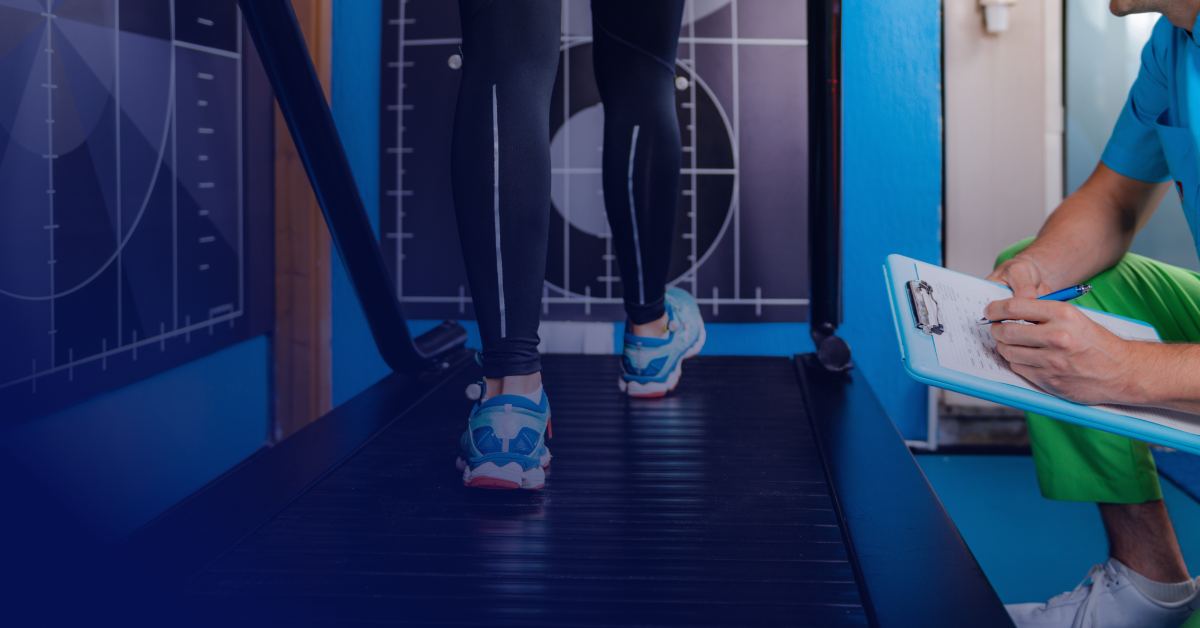
For a runner, your therapist may look at running mechanics, single-leg control, impact tolerance, strength, and the ability to gradually increase distance or pace without symptoms returning.
For a basketball or soccer player, later rehabilitation may include jumping, landing, acceleration, deceleration, lateral movement, cutting, and changes in direction. Lower-body functional testing may also use hop or balance tasks when appropriate.
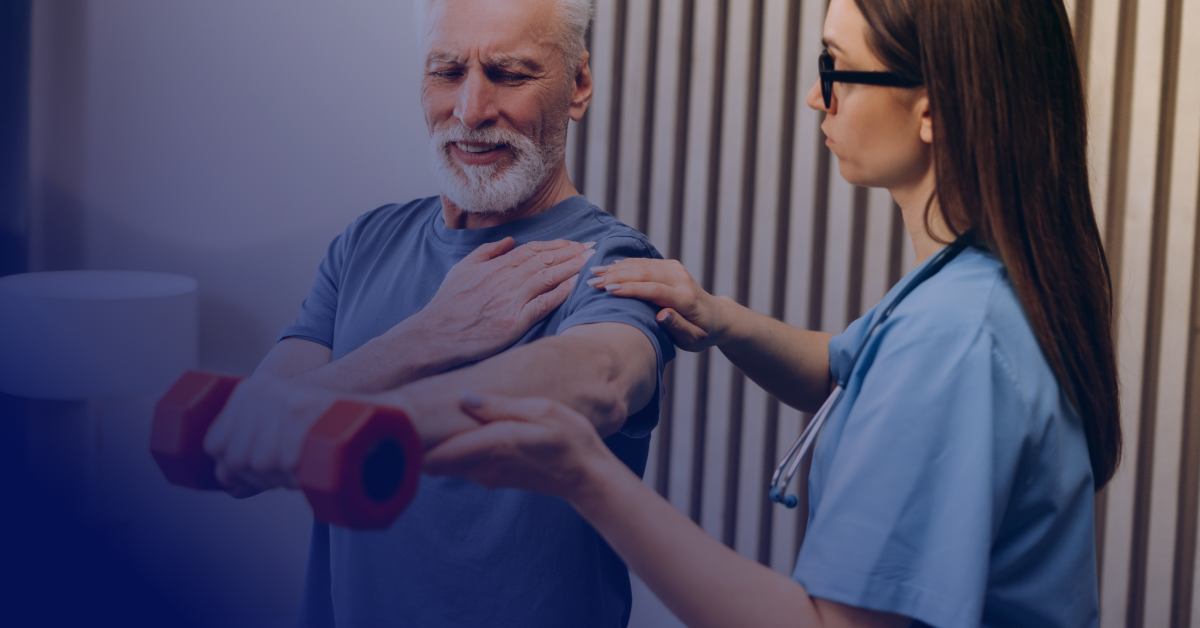
Upper-body athletes need a different approach. A tennis player, swimmer, volleyball player, or baseball player may need to demonstrate shoulder mobility, strength, endurance, control, and tolerance for repeated overhead activity. Consensus recommendations for shoulder injuries emphasize considering several areas, including pain, range of motion, strength and endurance, the kinetic chain, psychological readiness, and sport-specific demands. [5]
The goal is not to make every athlete complete the same checklist. It is to make the later stages of rehabilitation increasingly resemble the demands waiting for you when you return.
What Milestones Matter Before Returning to Sports?
Because every injury is different, there is no universal set of numbers that clears every athlete. Your therapist will establish criteria that make sense for your diagnosis and activity.
Depending on the injury, important milestones may include:
- Adequate range of motion for your sport
- Strength appropriate for the injured area and activity
- Good balance and movement control
- Ability to run, jump, land, throw, cut, or perform other required movements
- No significant increase in pain or swelling as activity progresses
- Ability to tolerate repeated activity rather than completing a movement only once
- Confidence using the injured area during more demanding tasks
These milestones give your therapist more useful information than the calendar alone. An athlete who has reached a certain week or month of recovery may still have a strength, balance, or movement deficit that needs additional work.
What If You Pass Some Tests but Not Others?
This is common. Recovery does not always happen evenly.
You may regain normal motion before strength. You may be able to run comfortably in a straight line but struggle with a quick change of direction. Your strength may look good during an isolated exercise, but your control may break down when you have to jump and land repeatedly.
Return-to-sport testing helps identify those differences. Instead of simply continuing the same rehab program, your physical therapist can adjust treatment to focus on what is still limiting you.
That might mean more strengthening, balance work, endurance training, jumping and landing practice, overhead conditioning, running progression, or sport-specific drills.
Struggling with one part of an assessment does not automatically mean that your recovery has gone wrong. It gives your therapist information about what needs to improve before the next step.
Does Confidence Matter When Returning to Sports?
Physical recovery is only part of returning after an injury. Confidence matters too.
An athlete who does not trust the recovering knee, ankle, shoulder, or other injured area may hesitate during movements associated with the original injury. Return-to-sport consensus recommendations recognize psychological readiness as one of the factors that can be considered during the process. [1][3]
Your therapist may notice hesitation as exercises become faster or more complex, or you may simply feel unsure about a particular movement. Gradually reintroducing those demands in a controlled setting allows you to practice them before facing the unpredictability of a game, race, or full practice.
The goal is not to eliminate every concern before you return. It is to rebuild physical ability and confidence together as rehabilitation progresses.
Is PT Testing the Same as Medical Clearance?
Not necessarily.
Physical therapists evaluate how well you move and function. They can measure strength, mobility, balance, control, and your ability to complete activities related to your sport. If testing reveals a deficit, your therapist can use that information to adjust your rehabilitation program.
For significant orthopedic injuries or after surgery, an orthopedic physician or surgeon may also need to assess healing and determine whether medical restrictions still apply. The functional information gathered during physical therapy can become one part of that larger clearance decision.
Our companion article from New York Bone & Joint Specialists, Returning to Sports After an Orthopedic Injury: What Clearance Really Means, explains what your orthopedic doctor considers before allowing unrestricted sports participation.
Common Mistakes When Returning to Sports
Using pain as the only test. Feeling better is a major step, but it does not tell you whether strength, balance, or sport-specific function has fully returned.
Testing yourself with a full game or workout. Going directly from rehabilitation to unrestricted activity can expose limitations that would be safer to identify during a gradual progression.
Comparing your recovery with someone else's. Two athletes with similar injuries may have different recovery needs based on injury severity, previous injuries, treatment, sport, and individual progress.
Skipping the last stages of rehab. Basic strengthening may make everyday activities comfortable again, but late-stage rehabilitation is where running, jumping, landing, agility, endurance, and sport-specific demands are often reintroduced.
Assuming one test tells the whole story. Return-to-sport decisions are multifactorial. One good strength measurement, hop test, or movement screen does not replace a complete assessment. [1]
When Should Return-to-Sport Testing Be Paused?
Return-to-sport testing is intended for someone whose injury is progressing through rehabilitation. If symptoms are getting worse instead of better, it may be time for another medical evaluation rather than more advanced testing.
Talk with your therapist or orthopedic provider if increasing activity causes persistent or worsening pain, recurrent swelling, instability or repeated giving way, a loss of motion, new weakness, catching or locking, numbness or tingling, or a noticeable decline in function.
These symptoms can mean your rehabilitation needs to be modified or that the injury should be reassessed before you continue advancing.
Let Your Function Determine the Next Step
It is easy to focus on a date when you are eager to return to sports. But the most useful question is not simply how many weeks have passed. It is whether your body can handle what you are asking it to do.
Return-to-sport testing gives your physical therapist a clearer picture of your strength, movement, balance, control, confidence, and ability to perform the specific tasks your activity requires. The results also show what still needs attention before your rehabilitation progresses.
At All Sports Physical Therapy, our therapists work with athletes and active patients recovering from orthopedic injuries and surgery. Our services include sports medicine, physical therapy, surgery rehabilitation, and return-to-play rehabilitation. Whether your goal is getting back to recreational exercise or competitive sports, your program can progress toward the movements and demands that matter to you.
Contact us to schedule an appointment at one of our Manhattan locations.
FAQ'S
What is return-to-sport testing?
Return-to-sport testing evaluates the physical abilities you need before progressing back to athletic activity. Depending on the injury, your therapist may assess strength, range of motion, balance, movement control, running, jumping, landing, agility, endurance, or sport-specific tasks. Functional testing is intended to help bridge the gap between basic rehabilitation and unrestricted athletic activity. [1][2]
How do physical therapists know when you're ready to return to sports?
Physical therapists look at several factors rather than relying only on pain or the amount of time since your injury. They may assess mobility, strength, balance, movement quality, functional performance, symptoms, confidence, and your ability to tolerate the movements your sport requires. The exact criteria depend on the injury and activity. [1]
Is there one return-to-sport test that every athlete has to pass?
No. There is no single test or score that applies to every injury and every sport. Lower-body injuries may involve hopping, jumping, landing, balance, or agility testing, while an overhead athlete may need shoulder-specific strength, endurance, and functional testing. The assessment should match your diagnosis and the activity you are returning to. [2][4][5]
Can I return to sports once I am pain-free?
Not necessarily. Pain can improve before strength, balance, coordination, endurance, or movement control has fully recovered. Your therapist will look at how the injured area functions as activity becomes more demanding rather than using pain relief as the only sign that rehabilitation is complete.
What happens if I don't pass return-to-sport testing?
Your results help your therapist identify what still needs work. Rehabilitation may then focus more heavily on strength, mobility, balance, endurance, movement control, or sport-specific drills before you are tested again.
Do I still need my doctor's clearance after physical therapy testing?
That depends on your injury and treatment. If you are recovering from a significant orthopedic injury or surgery, your orthopedic physician or surgeon may need to evaluate healing and provide medical clearance in addition to the functional assessment completed in physical therapy.
Peer-Reviewed Clinical References
[1] Ardern CL, Glasgow P, Schneiders A, et al. 2016 Consensus Statement on Return to Sport from the First World Congress in Sports Physical Therapy, Bern. British Journal of Sports Medicine. 2016;50(14):853-864.
[2] Manske R, Reiman M. Functional Performance Testing for Power and Return to Sports. Sports Health. 2013;5(3):244-250.
[3] Meredith SJ, Rauer T, Chmielewski TL, et al. Return to Sport After Anterior Cruciate Ligament Injury: Panther Symposium ACL Injury Return to Sport Consensus Group. Knee Surgery, Sports Traumatology, Arthroscopy. 2020;28(8):2403-2414.
[4] Smith MD, Vicenzino B, Bahr R, et al. Return to Sport Decisions After an Acute Lateral Ankle Sprain Injury: Introducing the PAASS Framework. British Journal of Sports Medicine. 2021.