How to Address Foot Arch Pain
Foot Injury
Do you feel a sharp pain at the bottom of your foot when walking? It could be your foot arch telling you it needs help.
Your feet just may be the strongest joints in your body. Think about this: With each step you take, your feet absorb about 3 pounds of pressure for every pound of your body weight. For busy New Yorkers who walk nearly everywhere on concrete, that force adds up and often leads to foot arch pain.
What does foot arch pain feel like? A shooting pain in the arch or heel hits with every stride, and exercising on your feet can be agonizing. You may be tempted to dismiss the ache as just part of living in the city. But the sooner you seek relief for this common ailment, the better your overworked feet will feel.
What is Foot Arch Pain?
Your foot consists of an interlocking network of 26 bones, 30 joints, and more than a hundred muscles, tendons, and ligaments. All these parts work together to propel you forward when you walk, help you step over uneven ground, and keep you balanced.
The all-important arch is located in the middle section of the foot. Though it contains several bones, the midfoot is mainly supported by a thick, strong ligament known as the plantar fascia. This vital ligament connects your heels to your toes and forms your arch. The plantar fascia carries the weight of your body when you walk or run, and even when standing.
The shape of your arch affects how you walk and ultimately whether you’ll experience foot arch pain. For example, overpronation causes you to walk on the inside of your arch. That imbalance in your gait not only stresses the arch, but can lead to pain traveling up to the knee, too.
To determine what type of foot arch you have, dip your foot in water and then step on piece of cardboard to see the results:
- Normal: The middle part of your foot is half-filled in.
- Flat: Your foot appears whole with the middle area mostly filled in.
- High: You see the heel and ball of the foot but not much in-between.
What Does Pain in the Arch of the Foot Feel Like?
You may take your feet for granted. But your feet definitely make their presence known when the arch is over-stressed.
- Sharp, stabbing pain (often due to plantar fasciitis, which will be discussed later)
- Heel pain
- Dull ache or feeling of weakness in the foot
- Acute pain with the first step in the morning or after rest (likely due to plantar fasciitis)
- Pain that worsens with activity
What Causes Foot Arch Pain?
Given the foot is such a complex structure, foot arch pain can be traced to several probable causes. A proper diagnosis by an orthopedist or podiatrist can pinpoint the exact source of the pain or dysfunction.
Plantar Fasciitis (Most Common)
- Inflammation of the plantar fascia due to overuse from running, standing on hard surfaces, age, or obesity
- One in 10 people will be affected by plantar fasciitis in their lifetime
- Pain felt at heel and arch
- Stabbing pain first step in the morning, subsides with movement
Flat Feet (Per Planus)
- Babies are born with flat feet, but some individuals never develop an arch
- Arches may collapse later in life (fallen arches)
- Transfers weight load to the lower body
- Foot pain when walking, ankle pain, and shin splints are common symptoms
High Arches (Per Cavus)
- Typically due to genetic conditions
- Muscle imbalances in the lower body can lead to high arches
- Pain in the arch, heel, or ball of the foot
- Ankle pain and swelling
- Corns and calluses as the foot absorbs more pressure
Overuse and Repetitive Stress
- Frequent jumping when playing sports
- Running long distances overstretches the plantar fascia ligament
- Prolonged standing on hard surfaces
- Sudden increase in activity or intensity
Posterior Tibial Tendon Dysfunction
- Chronic tendonitis in the posterior tibial tendon that connects a lower leg muscle to the bones on the inner side of the foot and ankle. It also supports the arch.
- Pain along the tendon stretching from the back of the ankle to the inside of the foot and behind the bony bump before the arch
- Swelling and tenderness along the tendon
- Weakness when “pushing off” on the foot
Footwear Issues
- Wearing shoes lacking solid arch support
- Running/exercising on worn-out shoes
Injury or Trauma
- Overuse injuries such as stress fractures or microtears in the ligaments
- Sprains and strains from sports or falls
Risk Factors for Foot Arch Pain
Since everybody uses their feet everyday (even if we don’t think about it), we’re all at risk of pain along the arch of the foot. Some factors can raise your chances.
- High-impact sports (running, jumping)
- Prolonged standing on hard surfaces for your job (teachers, factory workers, nurses)
- Obesity increases stress on the feet
- Flimsy footwear without supportive arches
- Age: Plantar fasciitis tends to strike people aged 40 to 60
- Chronic conditions such as diabetes
- Not giving your feet a full rest after a workout
How to Relieve Foot Arch Pain
Foot arch pain can really slow down your active lifestyle. Fortunately, reducing foot arch pain is easy with home remedies and a trip to the shoe store.
Immediate Relief Strategies
- Rest
- Avoid aggravating activities
- Ice therapy to reduce pain and inflammation (roll your foot over a frozen water bottle)
- Over-the-counter pain relief (acetaminophen, ibuprofen)
- Toe stretching exercises (toe raises, toe scrunches)
Supportive Measures
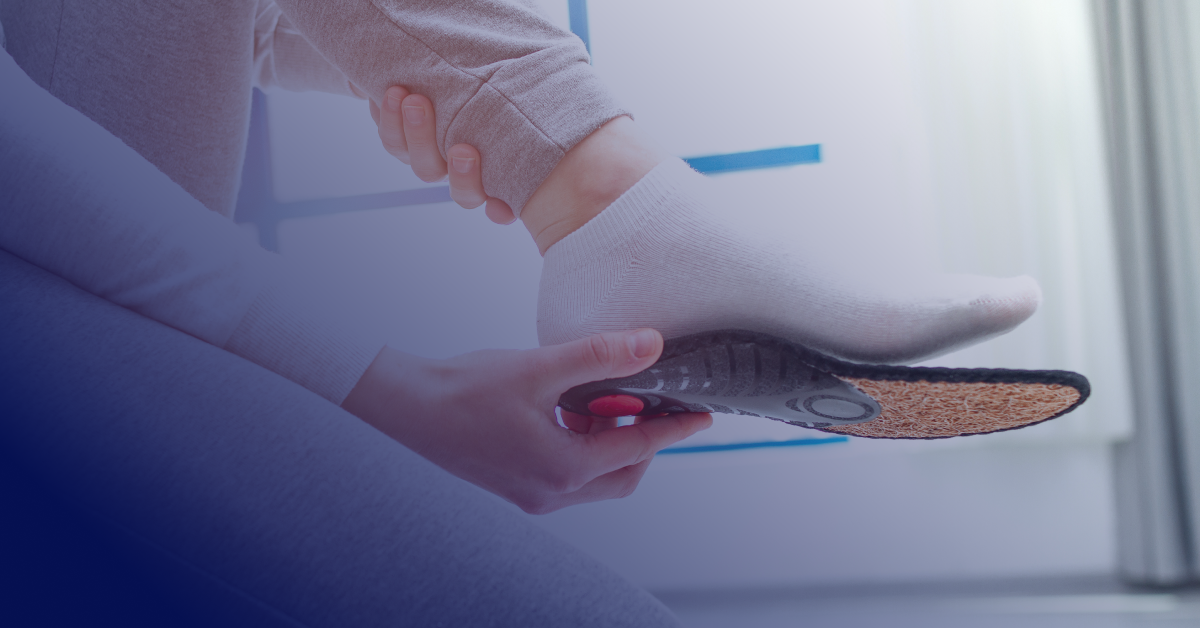
- Arch supports or orthotics (commercial or prescription) slipped into your shoes
- Proper footwear with sturdy arch support
How to Treat Foot Arch Pain
If at-home remedies fail to bring relief, consult with a physician or physical therapist for guided therapies.
Non-Surgical Treatments
- Physical therapy to strengthen the foot muscles
- Stretching exercises targeted for the plantar fascia and Achilles tendon
- Manual therapy to loosen tension in the plantar fascia
At-Home Care
- Stretching exercises (calf stretches, toe splays)
- Foot rolling using a massage ball or foam roller
Advanced Treatments (if needed)
- Corticosteroid injections
- Custom orthotics to lift the arch
- Surgery only performed in rare cases if conservative methods fail. Surgery may be done to release tension in the plantar fascia, for example.
How to Prevent Foot Arch Pain
Take care of your feet now and you’ll avoid severe foot arch pain later. Follow these tips:
Get proper footwear. Buy supportive footwear especially for exercising. Ditch the flip flops.
Progress gradually. Avoid sudden increases in distance or intensity.
Stretch and strengthen your feet. Calf raises, toe scrunches, and standing on your toes are great foot exercises.
Manage your weight. Shedding excess pounds takes pressure off your feet.
How Long Does Foot Arch Pain Last?
How long foot arch pain lasts depends on the underlying cause. However, you can shorten your recovery time by seeking medical advice as soon as the pain starts.
- Mild strains might resolve in days to weeks with at-home therapy and rest
- Plantar fasciitis may take several weeks to months to heal
- Posterior tibial tendon dysfunction can heal in three to four months with conservative treatment
When to See a Foot Specialist
Foot arch pain is more than a nuisance. It can severely curtail your mobility. Yet it’s also a very treatable condition. Be aware of the signs you likely need more than rest and icing to relieve the discomfort.
- Pain lasting more than a few weeks
- Severe pain or swelling
- Difficulty walking
- Recurrent symptoms even after rest, pain relievers, and other treatments
How All Sports Physical Therapy Can Help
The team of physical therapists at All Sports Physical Therapy can put the spring back in your step. We’re experts in diagnosing and treating foot pain from plantar fasciitis and other conditions. Here’s what we’ll do for you:
- Perform a comprehensive evaluation of foot mechanics
- Diagnose the underlying cause
- Customized a rehab program based in your lifestyle and condition
- Recommend orthotics and movement correction if needed
- Create long-term prevention strategies
Don’t Take Another Step with Foot Arch Pain
New Yorkers racing around town often shrug off foot arch pain. But they shouldn’t. It’s a very common and treatable condition with early care. Our physical therapists can suggest therapies and ways to improve your walking mechanics to keep your foot arch healthy and intact. Contact us when you want to step out with no pain.
FAQs
What causes foot arch pain?
The most common cause is plantar fasciitis, or an inflammation of the plantar fascia ligament running along the bottom of the foot. It can also be due to overuse from running, or structural issues, such as flat feet or high arches.
How do I relieve foot arch pain quickly?
Avoiding activities aggravating the pain, icing the foot, and switching to supportive footwear with strong arch support can bring quick relief.
How long does foot arch pain last?
Varies by severity, but mild cases can resolve in weeks with at-home therapy, exercises, and OTC medications. More serious conditions such as plantar fasciitis may take months. How fast you recover depends on how quickly you receive treatment.
What is the best treatment for foot arch pain?
Successful treatment relies on a combination of rest, stretching exercises for the foot, and physical therapy geared toward healing the ligaments and tendons of the foot. A physical therapist can show effective exercises.
When should I see a doctor?
If you experience persistent or worsening pain that makes walking difficult, contact an orthopedist or a podiatrist. Early treatment can bring about relief without further damage to the foot.